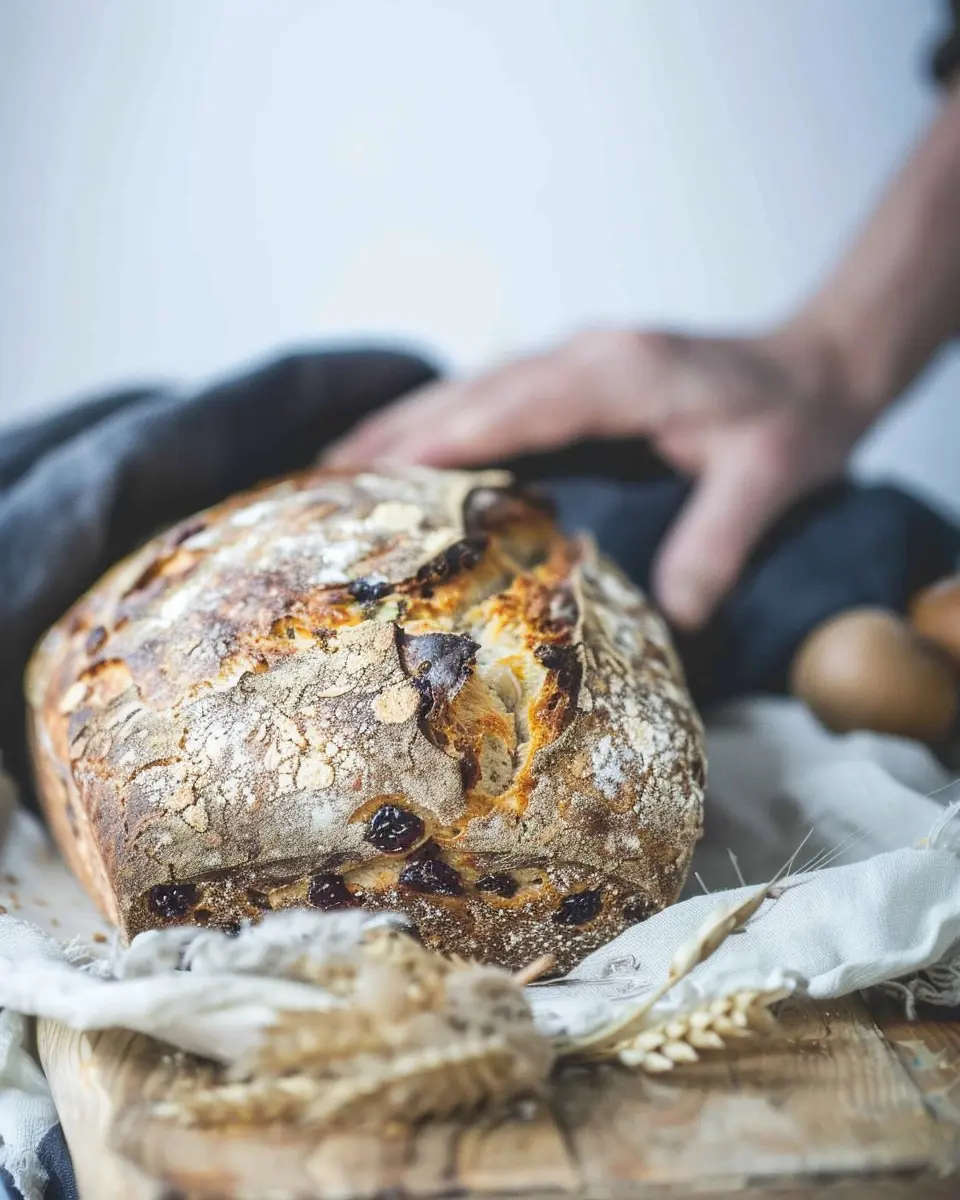
Introduction to the Best Sourdough Fruit Bread
Are you ready to elevate your bread game? If you’re looking for a delightful twist on your traditional sourdough, look no further than the best sourdough fruit bread. This culinary masterpiece combines the tangy flavor of sourdough with the natural sweetness of fruits, creating an irresistible loaf perfect for breakfast, snacking, or even dessert.
What makes sourdough fruit bread a delicious choice?
First and foremost, the flavor profile of sourdough fruit bread is remarkable. The sourdough starter gives the bread a rich depth that pairs wonderfully with various fruits. You can go classic with raisins and dried cranberries or get adventurous with apple chunks or peaches. Each bite is a celebration of sweet, fruity goodness wrapped in soft, chewy bread.
But it’s not just about taste. From a health perspective, sourdough is easier to digest than regular bread. According to a study published in Food Research International, the natural fermentation process breaks down gluten, making it more tolerable for some gluten-sensitive individuals. Pair that with the nutritional benefits of fruits—fiber, vitamins, and antioxidants—and you’ve got a bread that tastes good and feels good to eat.
Making the best sourdough fruit bread can also be a wonderfully engaging process. Have you ever kneaded dough while listening to your favorite podcast or enjoyed the aroma filling your kitchen? There’s something incredibly rewarding about the hands-on experience of baking from scratch. Plus, imagine sharing a warm loaf with friends, topped with a pat of butter or a dollop of cream cheese.
In case you’re wondering about recipe variations or tips, check out this article from The Kitchn for some fresh ideas on enhancing your sourdough creations. And for those intrigued by the nutritional aspects, the Whole Grains Council provides excellent resources on how whole grains can boost your health.
So, grab your starter, select your favorite fruits, and prepare yourself for a baking adventure that will leave your taste buds singing. Let’s dive into the recipe and discover how you can make the best sourdough fruit bread right in your kitchen!
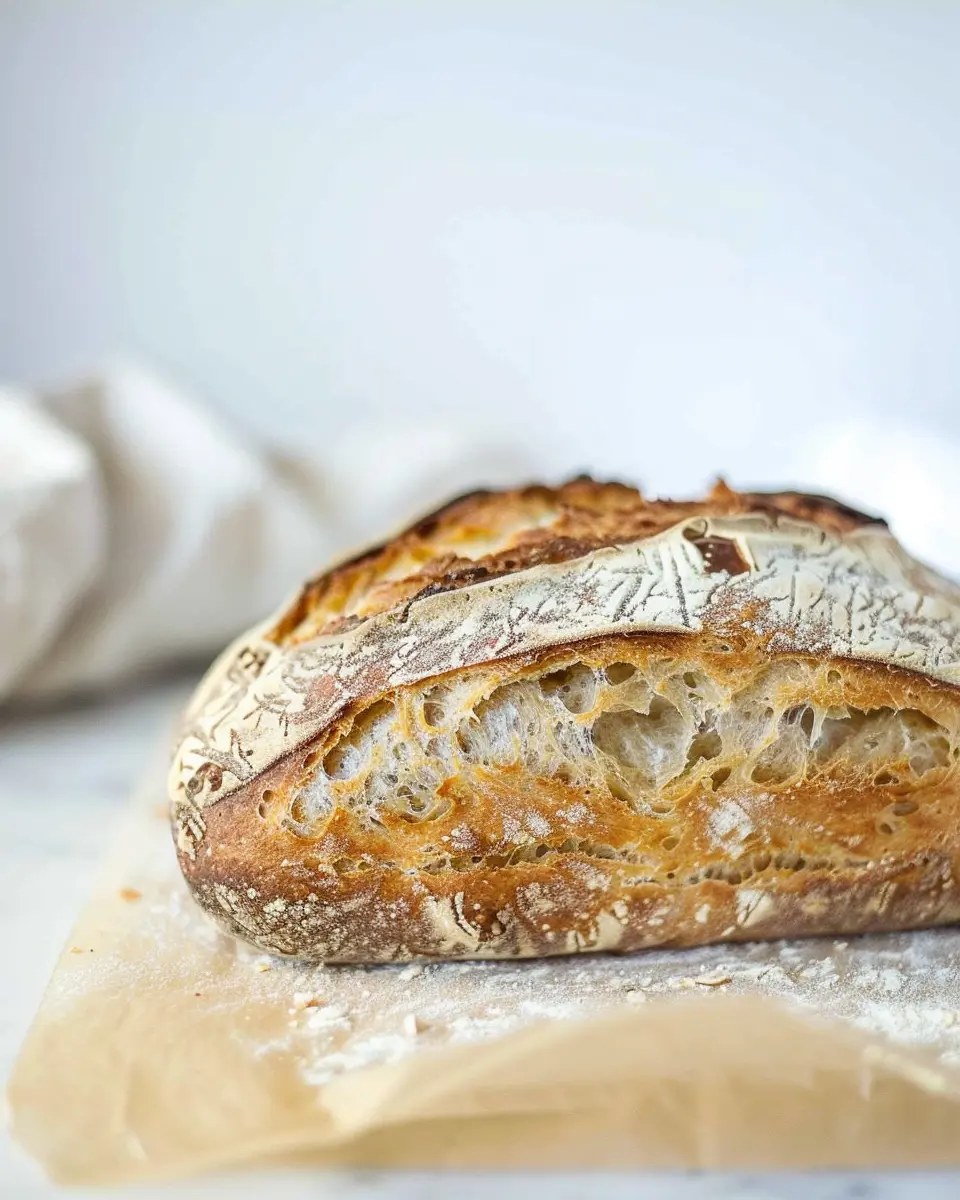
Ingredients for the Best Sourdough Fruit Bread
Key ingredients you’ll need
Creating the best sourdough fruit bread starts with a handful of simple ingredients that will make your kitchen smell heavenly. Here’s what you’ll need:
- Sourdough starter: The star of the show! Make sure it’s active and bubbly.
- All-purpose flour: For a soft and chewy texture; whole wheat can also add a nutty flavor.
- Fruit mix: Choose your favorite dried fruits like apricots, cranberries, or raisins—they add that delightful sweetness.
- Nuts or seeds: Walnuts or sunflower seeds can provide a nice crunch.
- Honey or maple syrup: Just a touch for a hint of sweetness that complements the fruit.
- Salt: Essential for flavor and enhancing the bread’s overall profile.
Optional ingredient substitutions
Not a fan of certain ingredients? No problem! Here are a few easy swaps:
- Flour: Try spelt flour for a different texture or gluten-free flour for a gluten-free version.
- Fruits: Experiment with candied citrus or dried figs to mix things up.
- Sweeteners: Agave syrup works well if you’re looking for a vegan option.
For expert advice on ingredient substitutions, you can explore resources like Joy of Baking. Remember, the joy of baking lies in creativity!
Preparing the Best Sourdough Fruit Bread
Making the best sourdough fruit bread isn’t just about following a recipe; it’s an art that involves patience, technique, and a bit of love. Don’t worry if you’re a novice when it comes to sourdough; once you grasp the fundamental steps, you’ll be baking like a pro in no time. Let’s dive into the process so you can savor the delightful flavors of homemade sourdough fruit bread.
Get your sourdough starter ready
Your sourdough starter is the heart of this recipe. To achieve the bubbly, tangy goodness that defines sourdough, ensure your starter is active and well-fed. About 6 to 12 hours before you start mixing your dough, feed your starter with equal parts water and flour. If you’re looking for tips on maintaining a healthy starter, the King Arthur Baking website offers fantastic guidance.
Mix your ingredients
Now that your starter is at its best, gather the following ingredients:
- 100g active sourdough starter
- 400g bread flour (or whole wheat, if you prefer)
- 250g water (room temperature)
- 50g sugar (or honey for a natural alternative)
- 5g salt
- 150g mixed dried or fresh fruit (like raisins, cranberries, or apricots)
- 50g nuts (walnuts or almonds add a nice crunch)
In a large mixing bowl, combine the starter, water, and sugar, stirring until well blended. Gradually add the flour and salt, mixing until a shaggy dough forms. A good dough should feel slightly tacky, and that’s perfectly fine!
Understand the stretch and fold technique
Once everything is mixed, it’s time to develop gluten through the stretch and fold technique. This method is crucial for building structure in your sourdough. Here’s how it works:
- Rest Time: Let your dough rest for about 30 minutes.
- First Fold: With wet hands, grab a portion of the dough, stretch it upward, and fold it over itself.
- Repeat: Do this for a full circle around the bowl (four folds in total).
Repeat this process every 30 minutes for the next two hours. This gentle technique helps the dough gain strength and elasticity without extensive kneading.
Incorporate fruit and nuts
When your dough has risen and developed some strength, it’s time to add your fruity flair. Gently flatten the dough into a rectangle on a lightly floured surface. Spread the fruits and nuts on top, and fold the dough over to encase them. Be careful not to squish the dried fruits, as they can enhance the flavor and texture of your bread.
Bulk fermentation and shaping your dough
After incorporating the fruits and nuts, place your dough back into the bowl for bulk fermentation. Cover it with a damp cloth or plastic wrap and let it rise at room temperature until it has doubled in size, which usually takes about 4 to 6 hours, depending on the temperature. This slow fermentation develops those iconic sourdough flavors.
Once you see that lovely rise, it’s shaping time! Gently tip your dough onto a floured surface and shape it into a round or oval loaf, tucking in the edges for a nice round shape.
Final rise and preparation for baking
After shaping, place your dough into a well-floured proofing basket or a bowl lined with a floured cloth. Cover it and let it rise again for about 2 to 3 hours or until it’s puffy.
While your dough is rising, preheat your oven to 450°F (232°C) with a cast iron pot inside. The pot simulates a professional steam oven, giving your bread that crispy crust we all adore.
Baking the bread to perfection
Once your dough has completed its final rise, carefully transfer it into the hot pot (don’t forget those oven mitts!). Cover the pot for the first 25 minutes of baking to trap steam, which helps with crust development. After that, remove the lid and bake for an additional 20 to 25 minutes until the bread is golden brown and sounds hollow when tapped.
Let the bread cool on a wire rack before slicing into that beautiful loaf. The combination of sourdough with fruits and nuts creates a deliciously complex flavor that makes this the best sourdough fruit bread you may ever try! Happy baking!
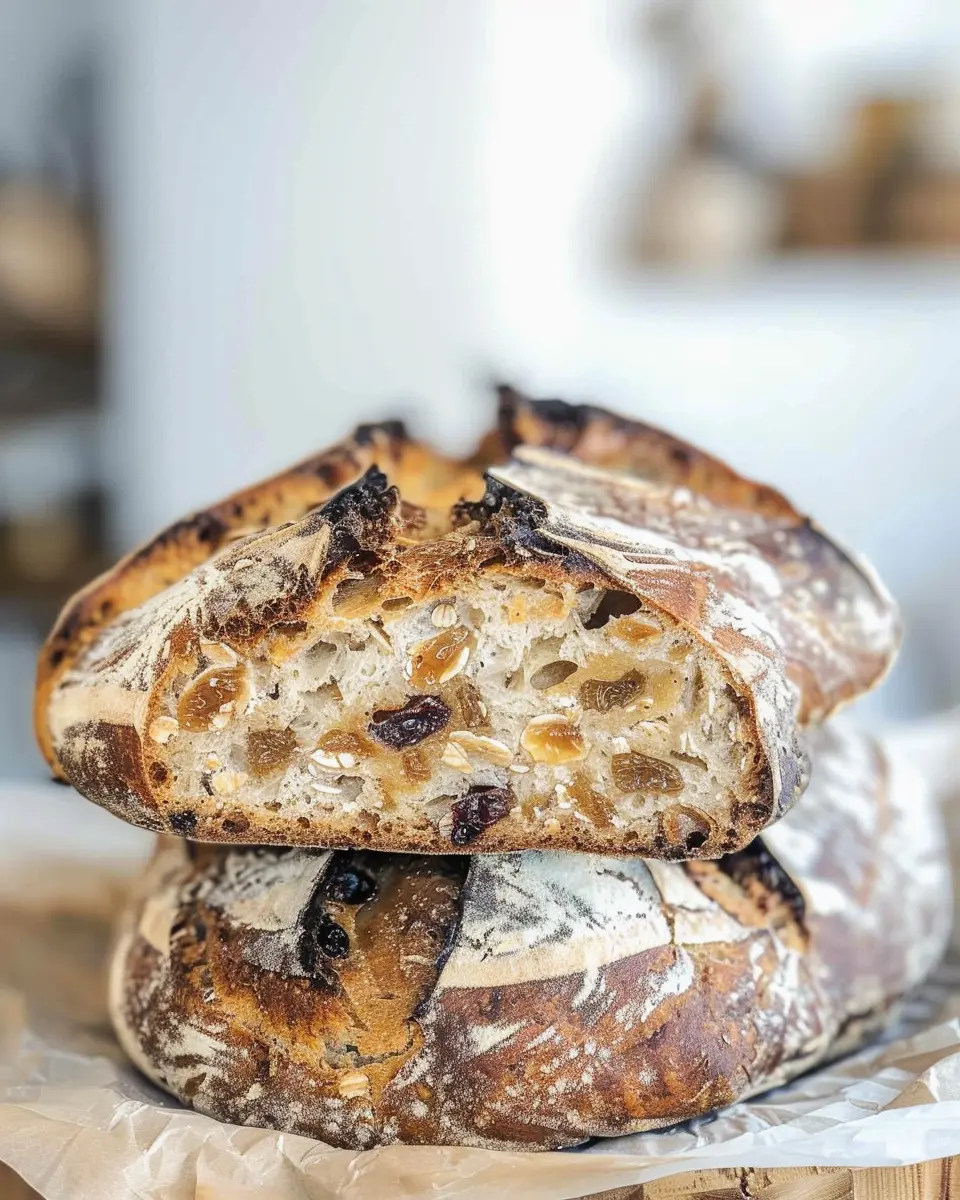
Variations on the Best Sourdough Fruit Bread
Creating the best sourdough fruit bread is an art form, and there’s plenty of room for creativity. Let’s explore delightful ways to customize this tasty bread!
Experimenting with Different Dried Fruits
While raisins and apricots are classics, don’t shy away from trying different dried fruits! Here are some ideas to spark your imagination:
- Cranberries: Their tartness pairs wonderfully with the bread’s sweetness.
- Fig pieces: These add a unique chewiness and earthy flavor.
- Chopped dates: Known for their natural sweetness, they can elevate your bread to a new level.
Each dried fruit brings a unique texture and flavor profile, making each loaf a special experience. Feeling adventurous? Mix and match your favorites!
Nut Alternatives for Crunch and Flavor
Nuts can add a satisfying crunch and depth of flavor to the best sourdough fruit bread. Consider these alternatives:
- Walnuts: Their robust flavor complements sweet fruits beautifully.
- Pistachios: With their vibrant color and creamy texture, they add a dash of elegance.
- Almonds: Chopped or slivers, they bring a mild sweetness that harmonizes well.
Feel free to toast your nuts beforehand for an extra layer of flavor. Plus, incorporating nuts also boosts the nutritional value—think healthy fats and protein!
Want to dive deeper into the benefits of various nuts? Check out Nutritional Value of Nuts for more insights.
Ultimately, your sourdough fruit bread should reflect your taste. So, go ahead, mix things up!
Cooking Notes for the Best Sourdough Fruit Bread
Tips for Ensuring Your Starter is Bubbly
A bubbly sourdough starter is the backbone of the best sourdough fruit bread. To keep it lively, feed it regularly and ensure it’s in a warm environment (between 75-80°F works wonders). If your starter isn’t bubbling, try using filtered water and organic flour for better fermentation. Remember to give it plenty of time—your starter needs a minimum of 4-6 hours after feeding to become fully active. For extra fluffiness, a quick tip is to give your starter a little stir after feeding to incorporate air into it.
What to Do If Your Dough is Too Sticky
Ah, the sticky dough dilemma! If you find your mixture is sticking to your hands or the counter, don’t worry. Dust some extra flour onto your work surface and your hands while shaping. Alternatively, consider using the stretch and fold technique instead of kneading. This method enhances gluten development while keeping the dough’s texture perfect. If you’re curious about why this technique works, check out resources from experts like the King Arthur Baking Company to dig deeper into sourdough science.
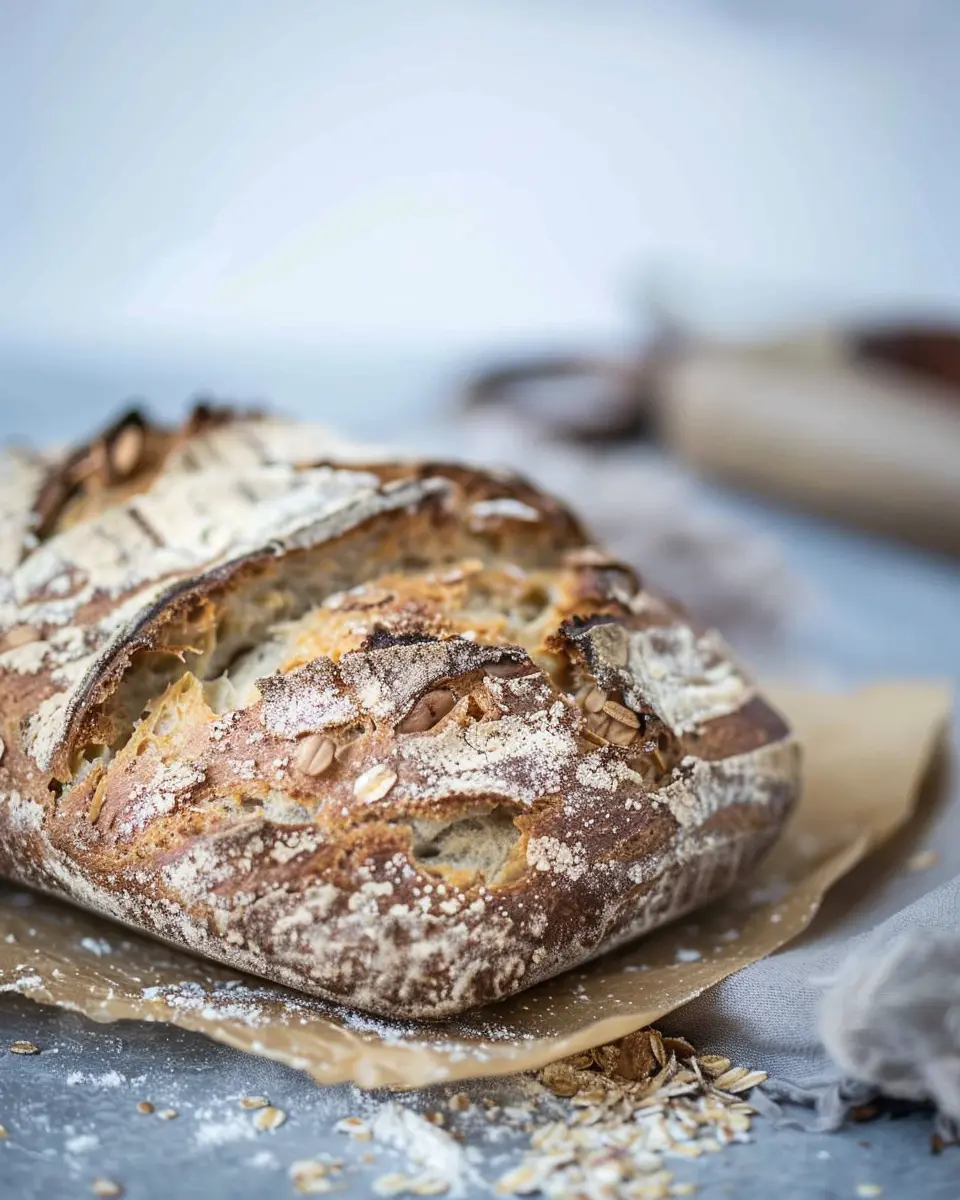
Serving Suggestions for the Best Sourdough Fruit Bread
When it comes to enjoying the best sourdough fruit bread, the possibilities are endless! Here are some delightful suggestions that will elevate your bread experience.
Great toppings to complement your bread
Start with a smooth spread like cream cheese or a tangy goat cheese—these create a lovely balance with the fruitiness of the bread. If you’re in the mood for something sweet, try slathering your slice with homemade apple butter or a dollop of berry jam. For a crunchy texture, add some chopped nuts or seeds for a delightful contrast.
Enjoying your bread with breakfast or as a snack
This versatile bread shines at breakfast! Pair it with some turkey bacon or scrambled eggs for a hearty meal. Feeling peckish? Enjoy a slice as a wholesome snack on its own or with a cup of herbal tea like chamomile or a fruity green tea, which perfectly complements the flavor profile of the best sourdough fruit bread.
Whether fresh or toasted, savor each bite, and let your taste buds do the talking! For more ideas, consider exploring topping inspirations on Food52 or Bon Appétit.
Time breakdown for the Best Sourdough Fruit Bread
Preparation time
Making the best sourdough fruit bread starts with a gentle touch. You’ll need about 30 minutes to gather your ingredients and mix your dough. This time includes measuring your flour, water, and fruits, ensuring everything is perfectly balanced for that delightful flavor profile.
Fermentation time
Next up is fermentation, where the magic happens! Let your dough rise for about 4 to 6 hours at room temperature. Depending on your sourdough starter’s strength and your kitchen’s temperature, this time may vary. You’ll know it’s ready when it has doubled in size and feels airy.
Baking time
Once fermented to perfection, you’re ready to bake! Pop your dough into a preheated oven at 375°F (190°C) and let it bake for 40–50 minutes. Keep an eye on it to achieve that beautiful golden crust we all love.
Total time
From prep to finish, you’re looking at about 5 to 7 hours for the best sourdough fruit bread. It might seem like a lengthy process, but the best things in life take time! Plus, your home will smell heavenly while it bakes—a delightful perk of the journey. Enjoy the creation process, and don’t hesitate to take breaks; you’ll be rewarded with a delicious loaf at the end!
For some great tips on sourdough baking, check out King Arthur Baking. They offer fantastic resources and community support for aspiring bakers.
Nutritional facts for the Best Sourdough Fruit Bread
When you indulge in the best sourdough fruit bread, it’s not just a treat for your taste buds—it brings along some impressive nutritional benefits too!
Calories
A slice of this delicious fruit bread typically contains around 160 calories. It’s a satisfying choice whether enjoyed for breakfast or as an afternoon snack.
Fiber content
You’ll find that each slice is packed with about 3 grams of fiber. This is great for digestion and can help keep you feeling full longer! If you want to learn more about fiber’s benefits, check out Healthline’s article.
Nutrient highlights
With a combination of dried fruits and whole grains, the best sourdough fruit bread is rich in:
- Vitamins: Especially B vitamins, which play a role in energy production.
- Minerals: Such as potassium and magnesium, essential for heart health.
- Antioxidants: From the fruits, which help reduce inflammation.
So not only does this recipe delight your palate, but it also provides a variety of nutrients that support your overall well-being!
FAQs about the Best Sourdough Fruit Bread
How can I tell if my sourdough starter is active?
The key to making the best sourdough fruit bread starts with a healthy, active sourdough starter. An active starter will double in size within 4 to 6 hours after feeding and should have a pleasant, slightly tangy aroma. To test if yours is ready, try the “float test”: take a small spoonful of starter and drop it in a glass of water. If it floats, congratulations—you’re ready to bake! For more details on starter maintenance, check out this sourdough starter guide.
Can I store this bread, and how long does it last?
Absolutely! Once your sourdough fruit bread has cooled completely, you can store it in an airtight container at room temperature for about 3-4 days. If you want to keep it longer, consider freezing it. Wrap tightly in plastic wrap and then in aluminum foil—frozen sourdough can last up to three months! Remember to slice it beforehand so you can easily toast or enjoy it straight from the freezer.
What can I serve with sourdough fruit bread?
Versatility is one of the many joys of the best sourdough fruit bread. You can savor it slathered with:
- Cream cheese or a fruity spread
- Nut butter topped with slices of banana
- Greek yogurt mixed with honey and fresh berries
For a savory twist, try pairing it with turkey bacon or chicken ham for a delightful contrast. This bread is perfect for brunch gatherings, light lunches, or just a comforting snack. With a little creativity, you can create delightful pairings that will impress your friends and family!
Conclusion on the Best Sourdough Fruit Bread
As we wrap up our journey into the world of homemade sourdough fruit bread, it’s clear that baking this delightful treat is not just about the end product, but also about the process. The joy of kneading the dough, the alluring aroma wafting through your kitchen, and the anticipation as it rises can transform your baking experience into a cherished ritual.
This is indeed the best sourdough fruit bread to impress your family and friends. With its beautiful blend of flavors and textures—from the tangy sourdough to the sweet bursts of fruit—it’s sure to be a crowd-pleaser. Ready to indulge? Give it a try! For further insights, check out resources like The Bread Lab for more baking tips and ideas.
PrintThe Best Sourdough Fruit Bread Recipe for a Heartwarming Treat
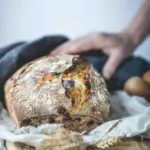
The Best Sourdough Fruit Bread is a heartwarming treat that combines the tangy flavor of sourdough with the sweetness of dried fruits, making it perfect for any occasion.
- Prep Time: 30 minutes
- Cook Time: 35 minutes
- Total Time: 2 hours 30 minutes
- Yield: 1 loaf 1x
- Category: Bread
- Method: Baking
- Cuisine: American
- Diet: Vegetarian
Ingredients
- 2 cups sourdough starter
- 4 cups all-purpose flour
- 1/2 cup sugar
- 1 teaspoon salt
- 1/4 cup unsalted butter, melted
- 1 cup mixed dried fruits (raisins, apricots, cranberries)
- 1 teaspoon cinnamon (optional)
- 1 cup warm water
Instructions
- In a large bowl, mix the sourdough starter, warm water, and sugar until well combined.
- Add the melted butter and stir until combined.
- In another bowl, mix the flour, salt, and optional cinnamon, then slowly add to the wet ingredients.
- Knead the dough until smooth, then fold in the dried fruits.
- Place the dough in a greased bowl, cover, and let it rise for 1-2 hours until doubled in size.
- Punch down the dough and shape it into a loaf, then place it in a greased loaf pan.
- Let it rise again for about 30-45 minutes.
- Bake in a preheated oven at 350°F (175°C) for 30-35 minutes or until golden brown.
- Allow to cool before slicing and serving.
Notes
- This bread can be enjoyed fresh or toasted.
- Feel free to experiment with different dried fruits or add nuts for extra texture.
Nutrition
- Serving Size: 1 slice
- Calories: 200
- Sugar: 10g
- Sodium: 200mg
- Fat: 7g
- Saturated Fat: 4g
- Unsaturated Fat: 2g
- Trans Fat: 0g
- Carbohydrates: 30g
- Fiber: 2g
- Protein: 5g
- Cholesterol: 15mg
Keywords: sourdough, fruit bread, homemade bread, sourdough recipe