
Introduction to Japanese Egg Sandwich Recipe
If you’ve ever wandered the streets of Japan or peered into a bustling konbini (convenience store), you might have come across the delightful tamago sando, or Japanese egg sandwich. This humble yet delicious dish has won over the hearts—and taste buds—of many due to its creamy filling and fluffy bread. But what makes this simple sandwich so incredibly popular both in Japan and beyond?
Why is the Japanese Egg Sandwich So Popular?
One of the standout features of the Japanese egg sandwich recipe is its blend of textures and flavors. It typically features a fluffy, soft white bread that envelops a rich egg salad filling made from perfectly boiled eggs, creamy mayonnaise, and sometimes a touch of mustard or salt for an extra kick. The simplicity allows the fresh ingredients to shine, resulting in a sandwich that is both satisfying and comforting.
Nutritionally speaking, Japanese egg sandwiches can be a good source of protein thanks to the eggs, making them a quick and easy breakfast or lunch option. According to the Japan Egg Marketing Forum, eggs are not only a key source of protein but are also rich in vitamins and minerals. Using ingredients you might already have in your kitchen, you can whip up this delightful meal in no time!
Many people enjoy the tamago sando for its versatility. You can easily modify the filling by adding ingredients like chicken ham or turkey bacon for an extra layer of flavor. Want to keep it light? You can simply adjust the mayonnaise quantity or substitute it with Greek yogurt for a healthier twist. The variety of possibilities makes this sandwich a fun canvas for cheffing up your own creations.
Interestingly, the appeal of the Japanese egg sandwich has transcended borders, inspiring cafés and eateries all around the world. Have you ever tried making one yourself? If not, you’re just a handful of ingredients and steps away from crafting your own version of this iconic sandwich!
In the upcoming sections, we’ll dive deeper into the step-by-step process of creating this delightful dish. So grab your apron, and let’s get started on this simple yet satisfying culinary journey.
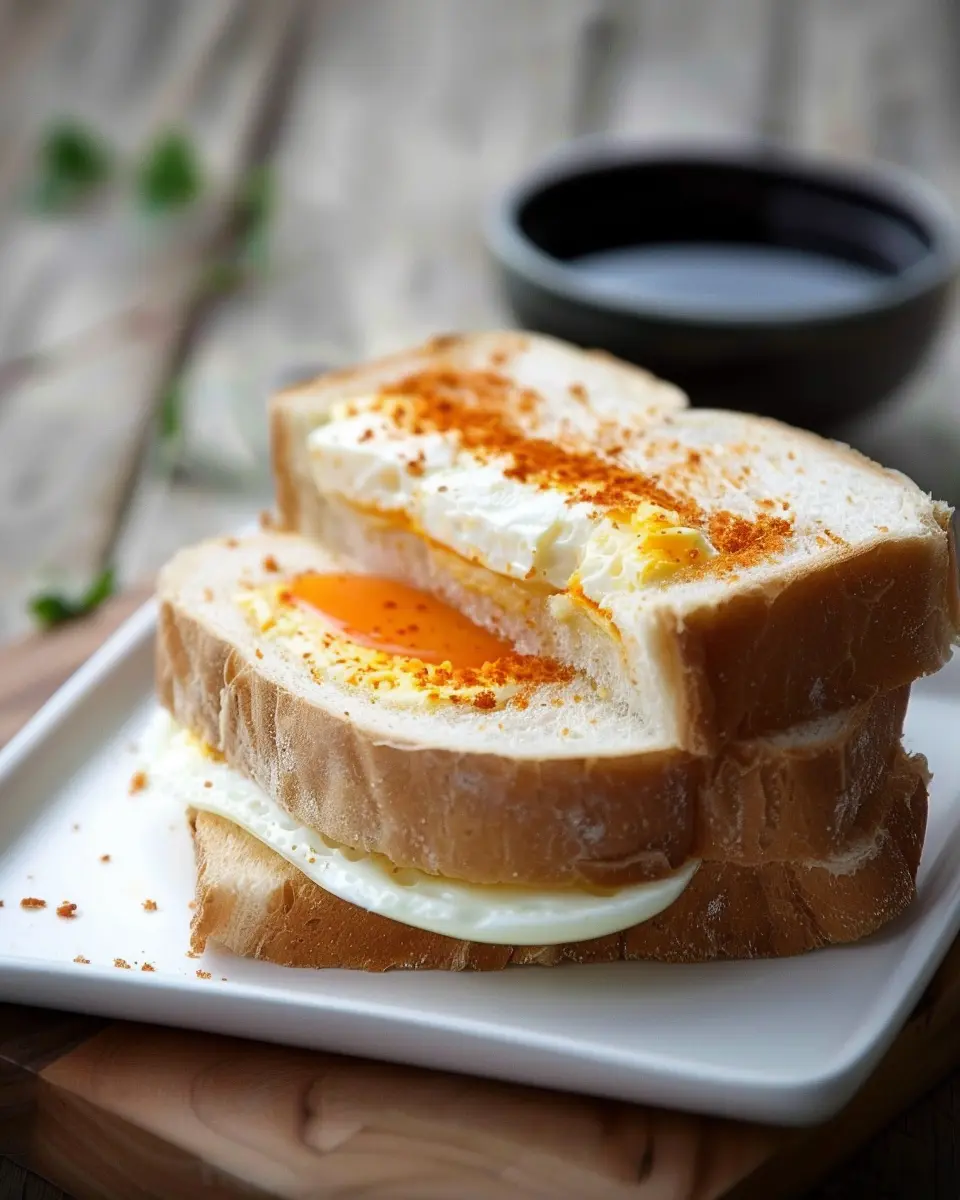
Ingredients for Japanese Egg Sandwich
When diving into the world of Japanese egg sandwiches (often known as tamago sando), the ingredients play a key role in achieving that perfect texture and flavor. Whether you’re aiming for a classic version or willing to try something a bit different with soft-boiled eggs, here’s what you’ll need.
Classic Egg Sandwich Ingredients
For the traditional take on this delightful Japanese egg sandwich recipe, gather the following:
- Eggs: 4 large eggs for a fluffy filling.
- Mayonnaise: 1/4 cup, providing creaminess and flavor.
- Salt and pepper: To taste, of course!
- Bread: 4 slices of soft, white bread – the fluffier, the better.
- Turkey bacon (optional): For a flavorful twist.
Soft Boiled Egg Sandwich Ingredients
Looking to elevate your Japanese egg sandwich? Soft-boiled eggs are a fantastic choice! Here’s what you’ll need:
- Eggs: 4 large eggs, boiled for just the right amount of time to maintain that creamy yolk.
- Japanese mayonnaise: 1/4 cup, as it’s known for being extra rich.
- Bread: 4 slices of shokupan (Japanese milk bread) for its slightly sweet flavor.
- Chicken ham: 2 slices, which adds a balanced savory element.
Creating your own tamago sando allows for personalization, so feel free to adjust these ingredients based on your taste! For more inspiration, check out this resource about Japanese sandwich variations.
Step-by-Step Preparation of Japanese Egg Sandwich
Making a Japanese egg sandwich (also known as Tamago Sando) is not just about following a recipe, but also about creating a delightful experience for your taste buds. This culinary journey is straightforward, making it a perfect weekend project or a quick lunch option. Let’s dive right in!
Prepare the Eggs
The foundation of any excellent Japanese egg sandwich is, of course, the eggs. You’ll want to start with quality large eggs, ideally from a local farmer or a reputable brand. Here’s how you can prepare them smoothly:
-
Boil the Eggs: Place your eggs in a pot and cover them completely with cold water. Bring the water to a boil over medium heat. Once boiling, reduce the heat to low and let them simmer for about 10 minutes for hard-boiled eggs.
-
Ice Bath: Immediately after boiling, transfer the eggs to an ice bath (a bowl filled with cold water and ice). This stops the cooking process and makes peeling easier.
-
Peel: Once cooled, gently crack the shell and peel. Rinse the eggs under cold water to remove any small shell fragments.
Make the Egg Salad
Now that your eggs are perfectly boiled, it’s time to create the delicious egg salad that will go into your sandwich. This is where you can really get creative while staying true to traditional flavors.
-
Mash the Eggs: In a large mixing bowl, use a fork to mash the peeled eggs until they reach your desired consistency—some prefer it chunky, while others like it creamy.
-
Mix in the Ingredients: Add the following key components to your eggs:
-
2 tablespoons of mayonnaise (Japanese mayo is recommended for authentic flavor)
-
1 teaspoon of Dijon mustard (for a hint of tanginess)
-
Salt and cracked black pepper to taste.
-
Optional Add-ins: You can also consider adding finely chopped green onions or a dash of soy sauce for an extra flavor twist!
Assemble the Classic Egg Sandwich
Now it’s time for assembly! To create that delicious Japanese egg sandwich, follow these steps:
-
Choose Your Bread: Soft, fluffy white bread is the quintessential option. You can use crustless bread for a classic style or keep the crust on for more texture.
-
Spread the Egg Salad: Generously spread the egg salad onto one slice of bread. Layer it on thick if you love a hearty bite!
-
Top it Off: If you wish to add an extra element, consider adding a slice of Turkey Bacon or even Chicken Ham. Place a second slice of bread on top to complete your sandwich.
Create a Soft Boiled Egg Variation
For a twist, why not make a soft-boiled egg version of your sandwich?
-
Soft Boil the Eggs: Instead of hard-boiling, simmer your eggs for about 6-7 minutes for a perfect runny yolk.
-
Assemble: You can use the same method as the classic version. However, be gentle with the soft-boiled eggs; half them and lay them over the bread carefully, allowing the yolk to spill its creamy goodness.
Wrap and Rest the Sandwich
Once you’ve assembled your sandwiches, it’s time to let them rest. This step is key for allowing the flavors to meld together:
-
Wrap: Tightly wrap each sandwich in plastic wrap or parchment paper.
-
Rest: Allow them to rest in the refrigerator for about 15-30 minutes. This helps enhance the flavors and makes the sandwiches easier to cut.
You can also prepare these in advance for a quick grab-and-go option at lunchtime or for your next picnic.
Incorporating these steps into your Japanese egg sandwich recipe will not only simplify your cooking process but also elevate your kitchen game. Don’t forget to share this recipe with friends, as everyone deserves a taste of this delightful dish. Enjoy your culinary creation!
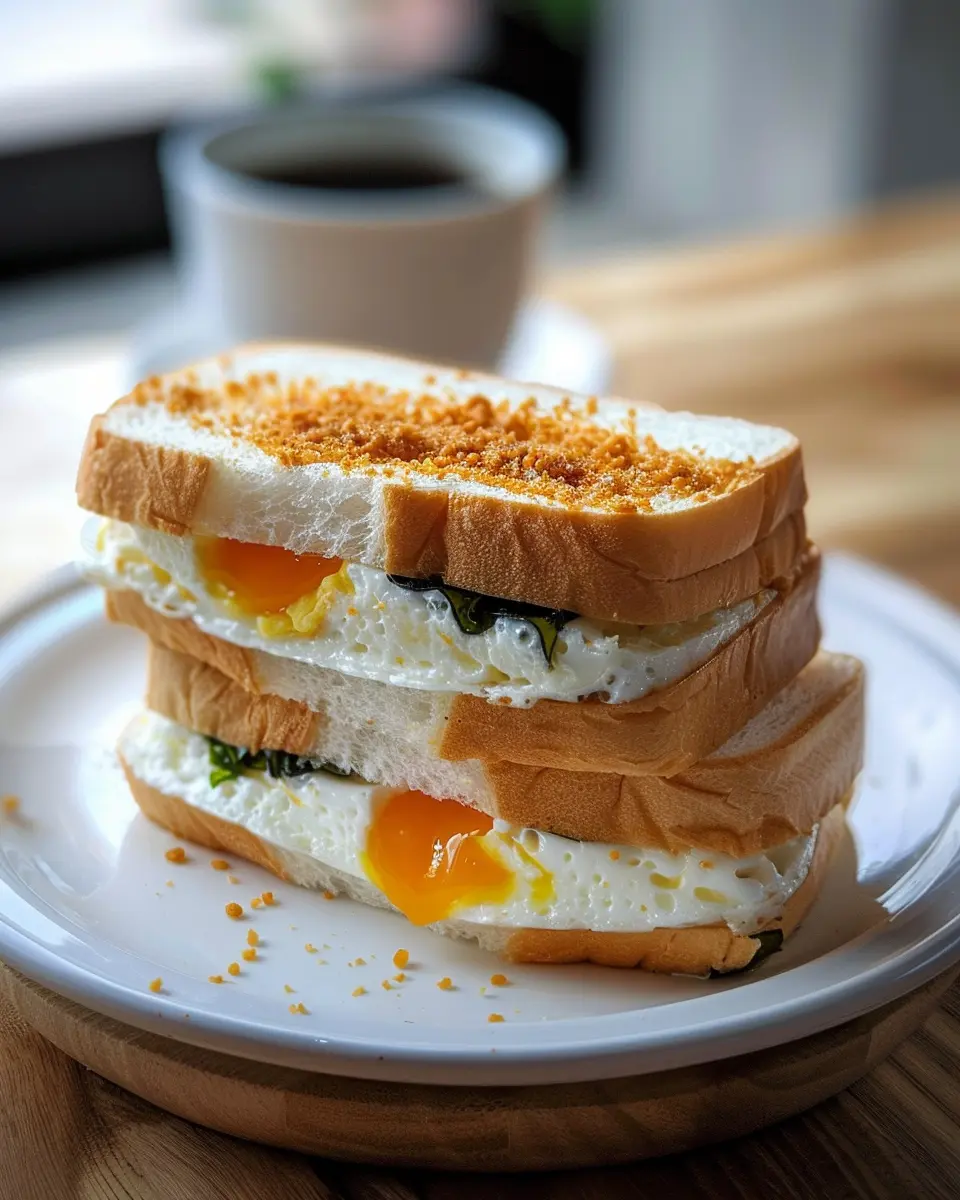
Variations on the Japanese Egg Sandwich
When it comes to the classic Japanese egg sandwich recipe (or tamago sando), there are plenty of fun variations to explore. These twists can elevate your meal from ordinary to extraordinary, making them perfect for brunch or a quick lunch.
Spicy Tamago Sando
If you’re someone who craves a little heat, why not spice things up? This version incorporates ingredients that pack a punch. Consider mixing in:
- Sriracha or Korean gochujang with the egg mixture for a fiery kick.
- Chili flakes sprinkled on top for added texture and spice.
- A touch of wasabi mixed into the mayo, giving a unique tang that contrasts beautifully with the rich egg.
Pro tip: Pairing with a side of pickled vegetables can help balance out the heat!
Veggie-Loaded Tamago Sando
For those who prefer a healthier take, a veggie-loaded variation might be just the thing.
Try adding:
- Sliced cucumbers for a refreshing crunch.
- Avocado for creaminess and a boost of healthy fats.
- Shredded carrots or spinach for an extra nutrient kick.
This way, you not only enjoy the delightful flavors of the egg but also get more fiber and vitamins into your meal. Plus, making this sandwich a bit more colorful can be appealing for those Instagram snapshots!
As you experiment with these variations, feel free to get creative! The beauty of the Japanese egg sandwich is its versatility, allowing you to customize each bite to your liking. For more inspiration and specific tips, check out this guide on food styling that can transform your sandwich presentation!
Cooking Tips and Notes for the Japanese Egg Sandwich
Use Quality Ingredients
When diving into the Japanese egg sandwich recipe, the quality of your ingredients can make all the difference. Choose fresh, free-range eggs for a richer flavor and creaminess. Opt for a fluffy white bread, such as shokupan, which adds to the sandwich’s authenticity and provides the perfect texture. If you’re into toppings, consider using high-quality chicken ham or turkey bacon to elevate the overall taste.
Tips for Perfecting the Egg Salad Texture
Achieving the ideal texture in your egg salad is crucial. Here are some tips to help you get it just right:
- Boil gently: Cook your eggs on a low simmer to avoid a rubbery texture.
- Cool quickly: After boiling, immerse your eggs in cold water to stop the cooking process. This keeps them tender.
- Mash smartly: Use a fork to gently mash the eggs rather than blending. This will ensure you maintain some chunkiness, giving that comforting bite.
- Season thoughtfully: A touch of Japanese mayo (like Kewpie) combined with a pinch of salt and pepper adds a delightful creaminess and flavor explosion.
These small tweaks can take your Japanese egg sandwich to the next level. Happy cooking!

Serving Suggestions for Japanese Egg Sandwich
Ideal Pairings with Your Sandwich
When it comes to savoring your Japanese egg sandwich, think of adventurous pairings that elevate the overall experience. A fresh side salad, tossed with sesame dressing, adds a delightful crunch. Alternatively, consider adding slices of turkey bacon or chicken ham for a savory twist. Offering a contrast in flavors can truly make each bite a culinary journey.
Feel like going a step further? Why not serve your sandwich with some crispy, lightly seasoned sweet potato fries or a bowl of miso soup? The comforting warmth of miso soup has a way of enhancing the richness of the egg filling, creating a balanced meal that satisfies.
Best Beverages to Complement Your Tamago Sando
To wash down your Japanese egg sandwich recipe, opt for refreshing beverages like chilled green tea or a sweet matcha latte. These drinks complement the flavors beautifully and provide a delightful contrast to the creamy egg filling. For a non-caffeinated option, a refreshing lemon cucumber-infused water is an invigorating choice. Each sip gives a burst of freshness, enhancing the simplicity and deliciousness of your sandwich.
If you’re looking for more ideas or tips on enhancing your Japanese cooking, check out Japanese Cooking 101 for an array of delicious recipes and techniques!
Time Breakdown for Japanese Egg Sandwich
Preparation Time
For the Japanese egg sandwich recipe, you’ll spend about 15 minutes gathering ingredients and prepping them. This includes chopping up your soft-boiled eggs and getting your bread ready. If you’ve prepped some of the ingredients in advance, such as cooking the eggs earlier in the week, you might save even more time!
Cooking Time
The cooking time is relatively short, around 10 minutes. This includes boiling the eggs and allowing them to cool before you start assembling your delicious sandwich.
Total Time
All in all, you should expect to spend about 25 minutes to whip up your Tamago Sando. Perfect for a quick lunch or a delightful breakfast, don’t you think? If you’re ever curious about the flavors and history behind this Japanese classic, check out resources like NHK World, which delve into Japanese cuisine.
Nutritional Facts for Japanese Egg Sandwich
When you’re diving into the delicious world of a Japanese egg sandwich, understanding its nutritional profile is key. Let’s break it down:
Calories
A typical serving of a Japanese egg sandwich contains about 300 calories. This makes it a satisfying yet manageable meal or snack option that fits into your busy lifestyle.
Protein
One of the appealing aspects of this delightful sandwich is its protein content. With roughly 12 grams of protein, it’s a great way to keep you feeling full and energized throughout your day. Eggs, after all, are a fantastic source of high-quality protein!
Sodium
Keep an eye on the sodium levels, as a standard Japanese egg sandwich typically has around 600 mg of sodium. If you’re looking to cut back, consider using reduced-sodium chicken ham or turkey bacon to maintain flavor while being mindful of your intake.
Now that you know the basics, why not try making this Japanese egg sandwich recipe yourself? It’s a wholesome choice that doesn’t compromise on taste! For more information on nutrient content, check out resources like the USDA FoodData Central.
FAQs about Japanese Egg Sandwich
Are you curious about how to elevate your Japanese egg sandwich recipe or want to know how to store those delicious leftovers? You’re in the right place! Let’s dive into some common questions and clear up any confusion you might have.
How can I make my Japanese egg sandwich creamier?
To achieve the ultimate creaminess in your Japanese egg sandwich, consider adding a touch of mayonnaise to your egg mixture. Some people even like to fold in a little cream cheese or sour cream for that extra richness. Make sure to mash the eggs well so the texture becomes smooth and velvety. A sprinkle of salt and pepper will also enhance the flavors, making your sandwich irresistible.
Can I use regular bread instead of shokupan?
While shokupan, or Japanese milk bread, is famous for its soft, fluffy texture, you can definitely use regular bread if it’s what you have on hand. Just make sure to choose a bread that is slightly thicker to hold the egg filling well. Sourdough or brioche could also work nicely for a unique twist on the classic Japanese egg sandwich recipe.
How long can I store leftover sandwiches?
If you find you have leftover sandwiches, you can refrigerate them in an airtight container for up to two days. Just remember that the bread might get a little soggy, especially if you’ve added mayonnaise or other ingredients. For best results, you may want to assemble the sandwich fresh when you’re ready to eat.
If you want to learn more about the importance of bread in sandwiches, check out this insightful article from Serious Eats. Happy sandwich making!
Conclusion on Japanese Egg Sandwich Recipe
In exploring the delightful Japanese egg sandwich recipe, it’s easy to see why it’s become a beloved staple in convenience stores across Japan. This soft, creamy sandwich brings together perfectly seasoned eggs, fluffy bread, and a touch of mayo for an indulgent taste experience. Perfect for breakfast or a satisfying snack, it’s not just a meal; it’s an embrace of comfort.
So why not try your hand at making it at home? With simple ingredients and a straightforward approach, this recipe is ideal for young professionals looking to add a touch of Japanese culture to their culinary repertoire. Enjoy your culinary adventure! For tips on where to source quality ingredients, check out Japanese Cooking 101.
PrintJapanese egg sandwich recipe: Easy and Delicious Tamago Sando with Turkey Bacon

Enjoy a simple and tasty Japanese egg sandwich, also known as Tamago Sando, made with turkey bacon for added flavor.
- Prep Time: 10 minutes
- Cook Time: 10 minutes
- Total Time: 20 minutes
- Yield: 2 servings 1x
- Category: Sandwiches
- Method: Stovetop
- Cuisine: Japanese
- Diet: Omni
Ingredients
- 4 large eggs
- 2 tablespoons mayonnaise
- 1 tablespoon soy sauce
- 4 slices bread
- 4 slices turkey bacon
- 1 tablespoon butter
- Salt to taste
- Pepper to taste
Instructions
- Cook the turkey bacon in a skillet over medium heat until crispy. Remove and set aside.
- In a bowl, whisk the eggs, mayonnaise, soy sauce, salt, and pepper.
- Pour the egg mixture into the skillet and scramble until fully cooked.
- Spread butter on one side of each slice of bread.
- On the non-buttered side of two slices, layer the scrambled eggs and turkey bacon.
- Top with the other two slices of bread, buttered side up.
- Toast the sandwiches in the skillet over medium heat until golden brown on both sides.
- Slice and enjoy!
Notes
- For a creamier filling, use more mayonnaise.
- Feel free to add green onions for an extra crunch.
Nutrition
- Serving Size: 1 sandwich
- Calories: 300
- Sugar: 1g
- Sodium: 600mg
- Fat: 20g
- Saturated Fat: 6g
- Unsaturated Fat: 12g
- Trans Fat: 0g
- Carbohydrates: 30g
- Fiber: 2g
- Protein: 14g
- Cholesterol: 250mg
Keywords: Japanese Egg Sandwich, Tamago Sando, Easy Recipe, Turkey Bacon