Introduction to Japanese Cheesecake
What is Japanese Cheesecake and Why is it So Beloved?
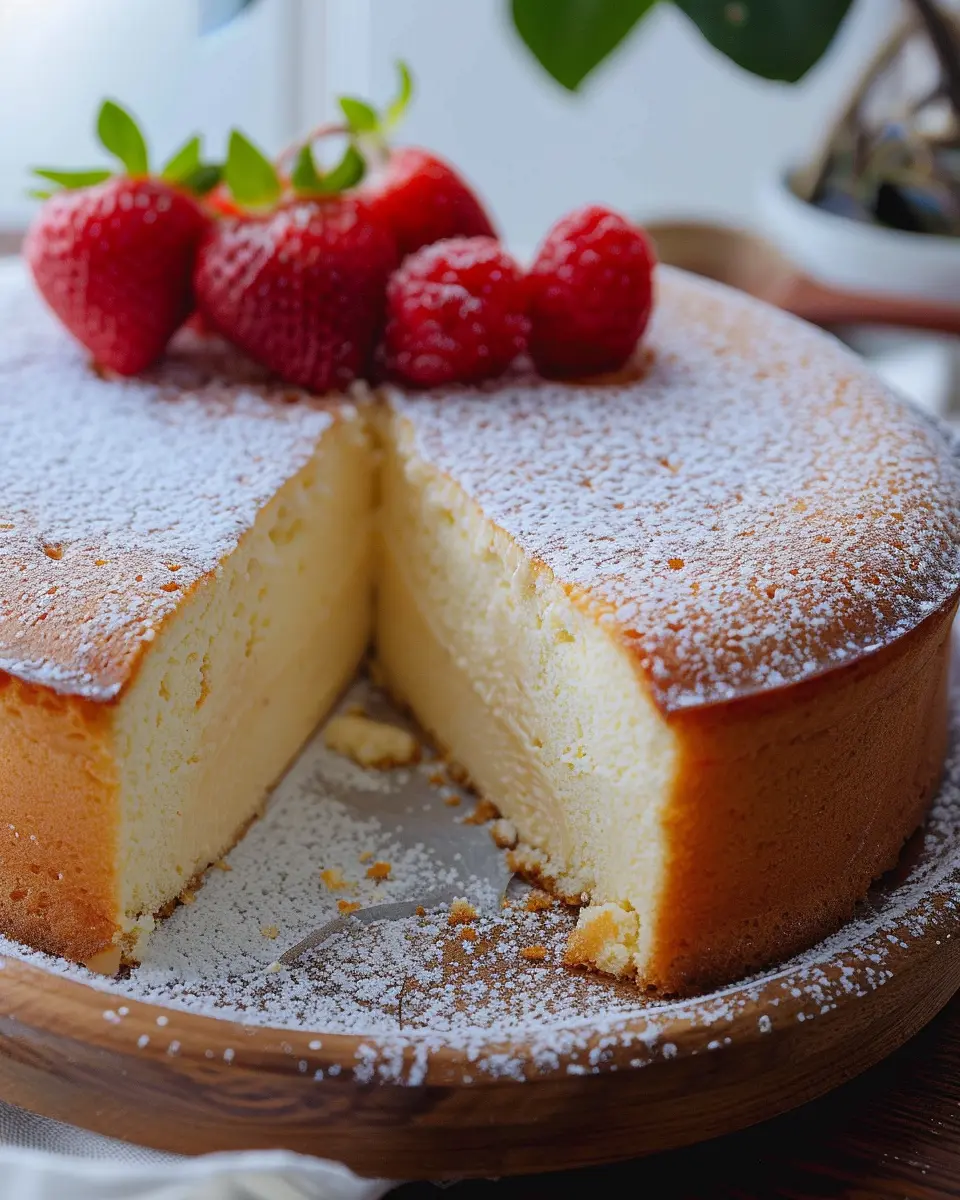
If you haven’t yet had the pleasure of tasting Japanese cheesecake, let me introduce you to a slice of fluffy paradise. Originating from Japan, this isn’t your typical dense and heavy cheesecake. Instead, it’s characterized by a light and airy texture, often compared to a soufflé. It’s this delicate, cloud-like consistency that has endeared this dessert to many around the globe.
One of the reasons Japanese cheesecake has gained such popularity is its unique blend of flavors and textures. The combination of cream cheese, eggs, and sugar creates a subtle sweetness, perfectly balanced by the tanginess of the cream cheese. Its lightweight nature makes it a delightful treat after any meal, allowing you to indulge without feeling overly stuffed. A visit to Just One Cookbook can provide you with more interesting insights into its cultural significance in Japan.
Many foodies might wonder, “Why not stick to traditional cheesecake?” The answer lies in the sense of nostalgia and innovation intertwined in the Japanese cheesecake experience. This dessert reflects Japan’s artistry in food, where aesthetics and taste hold equal importance. It’s not just about eating; it’s about enjoying the craftsmanship behind the creation.
Another appealing aspect is the endless variations. While the classic version is fantastic, you can find adaptations that include seasonal fruits, chocolate, and even matcha (green tea). Each variation opens the door to new flavors without losing the essence of what makes Japanese cheesecake so special.
Curious to know about its health benefits? Surprisingly, due to its lighter texture and reduced sugar content compared to traditional cheesecakes, it can be a slightly guilt-free option. However, it’s still best enjoyed in moderation. If you’re ready to dive into this delightful dessert, stick around for the detailed recipe below.
So, are you ready to explore the world of Japanese cheesecake? Grab your mixing bowls and let’s get baking!
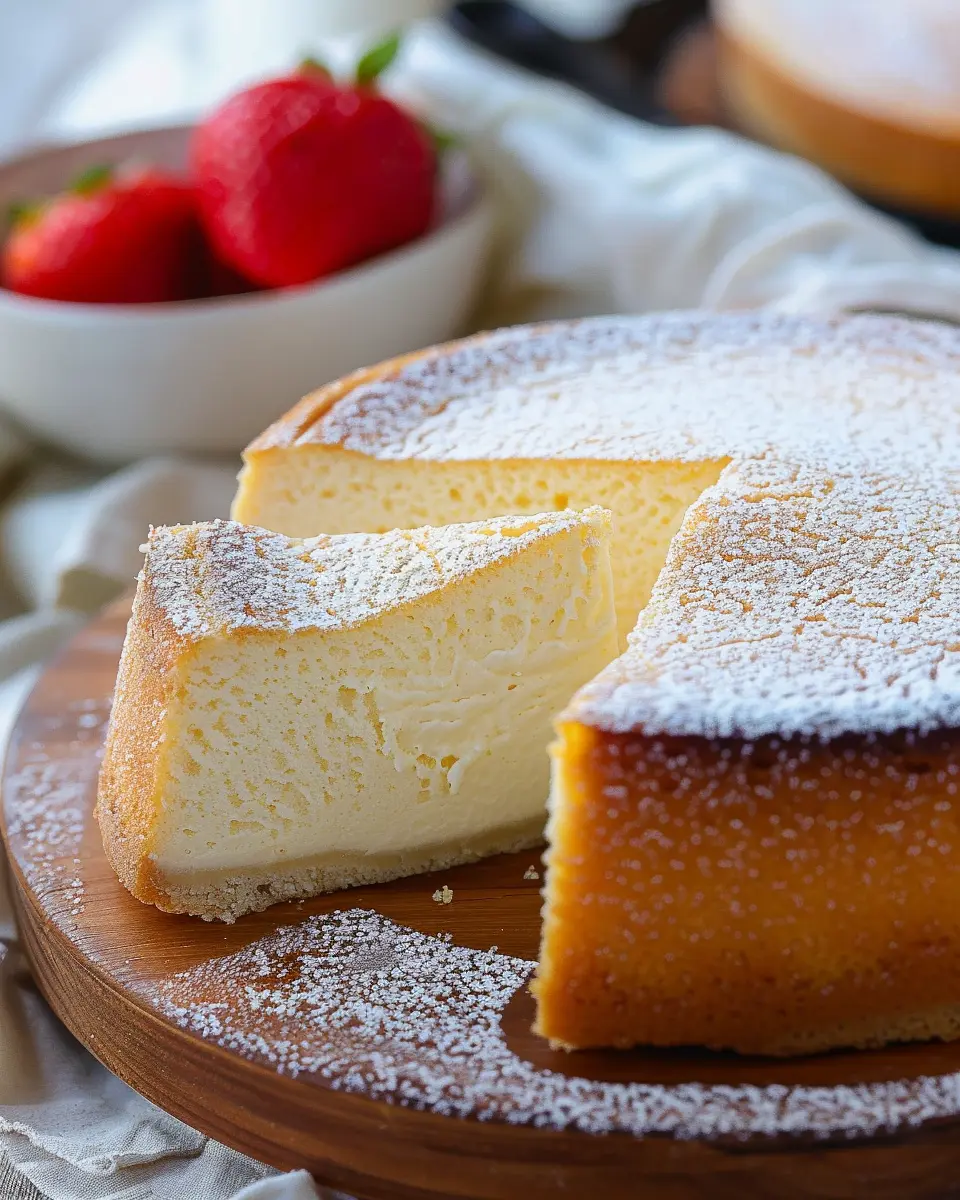
Ingredients for Japanese Cheesecake
Essential ingredients for a perfect Japanese Cheesecake
Creating a delightful Japanese cheesecake starts with a few key ingredients that work harmoniously to achieve that melt-in-your-mouth texture. Here’s what you’ll need:
- Cream cheese: The heart of the cheesecake, providing creaminess and flavor.
- Eggs: Use large eggs to ensure the right structure and airy quality.
- Granulated sugar: Sweetness is crucial; feel free to adjust based on your taste.
- Heavy cream: This adds richness and enhances the texture.
- Cake flour: A finely milled flour that keeps your cheesecake light and fluffy.
You should find these essentials in any grocery store. For a deeper dive into ingredient selection, check out Serious Eats for expert advice.
Optional toppings and flavor enhancers
To elevate your Japanese cheesecake, consider adding a twist with these optional toppings and flavor enhancers:
- Fruit: Fresh berries, mango slices, or a fruit coulis add a punch of flavor.
- Matcha powder: For a unique flavor and color, incorporate some matcha in the batter or as a topping.
- Whipped cream: A dollop on top can make it even more indulgent.
- Chocolate ganache: Drizzle it over the cheesecake for a rich finish.
Experimenting with these toppings not only enhances taste but also makes your cheesecake visually stunning!
Preparing Japanese Cheesecake
Japanese cheesecake is a delightful dessert that captures the light, fluffy essence of a cloud. It’s the perfect balance between the creaminess of traditional cheesecake and the airy texture of a souffle. The preparation process, while requiring some attention to detail, is straightforward and rewarding. Here’s how you can make your own Japanese cheesecake at home.
Prepping the kitchen and equipment
Before diving into the delicious world of Japanese cheesecake, it’s essential to prepare your kitchen and gather all your equipment. A clean workspace not only makes the process smoother but also enhances your cooking experience. Here’s what you’ll need:
-
Ingredients:
-
1 cup of cream cheese (softened)
-
1/2 cup of granulated sugar
-
1/4 cup of milk
-
3 large eggs (separated)
-
1 tablespoon of lemon juice
-
1/4 cup of all-purpose flour
-
1 tablespoon of cornstarch
-
Equipment:
-
Mixing bowls
-
Electric mixer or whisk
-
Spatula
-
8-inch round cake pan
-
Baking tray for the water bath
-
Parchment paper
Make sure to preheat your oven to 320°F (160°C). This will help the cheesecake rise beautifully without cracking later on. Having everything in place can make a world of difference, especially when you’re juggling different steps in the recipe.
Making the cheesecake batter
Now that your kitchen is all set, let’s move on to creating that lush cheesecake batter. In a medium bowl, combine the softened cream cheese and sugar. Mix them together until the mixture becomes smooth and creamy—this is critical because lumps can ruin the silky texture you’re aiming for.
Next, add in the milk, lemon juice, and egg yolks (keep the egg whites for later). Use your mixer on medium speed until everything is well blended. Gradually incorporate flour and cornstarch until the mixture is smooth. This thick batter is the base for your Japanese cheesecake, and getting it right is the key to achieving that melt-in-your-mouth texture.
Whipping the egg whites to perfection
Here comes the fun part—whipping egg whites! Using a clean mixing bowl, pour in the reserved egg whites and start beating them with an electric mixer on medium speed until foamy. Gradually add a pinch of salt and continue whipping until soft peaks form. This process introduces air into the egg whites, creating that lovely lift in your cheesecake.
As you whip, pay attention to the texture. If you’ve ever made meringue before, you’ll know what to look for. Soft peaks should lightly stand when you lift the whisk from the bowl, but they shouldn’t be too dry.
Folding the meringue into the batter
Now for the most delicate step—folding in the whipped egg whites. This is where a spatula comes in handy. Gently scoop a quarter of the egg whites into the cream cheese batter. The purpose of this is to lighten the batter, making it easier to fold in the rest.
With a folding motion (not stirring), combine the mixtures slowly until you see no more white streaks. Then, add the remaining egg whites and continue to fold gently. The goal is to keep as much air in the mixture as possible to ensure a fluffy and airy Japanese cheesecake.
Baking the cheesecake in a water bath
To create the perfect environment for your cheesecake, a water bath is essential. It helps regulate the temperature while baking, preventing cracking and drying out. Here’s how to do it:
- Wrap the bottom of your cake pan with aluminum foil to prevent water from seeping in.
- Place the batter into the pan and smooth the top.
- Set the pan in a larger baking dish and fill it halfway with hot water.
Bake for about 60 minutes, or until the surface is lightly golden and a toothpick inserted into the center comes out clean.
Let it cool in the oven with the door slightly ajar, then refrigerate before serving. You’ll find that the result is a light and fluffy cheesecake that melts in your mouth—an absolute treat and a fantastic dessert to impress your friends!
If you’re looking for more delicious recipes, check out Serious Eats for inspiration on all things culinary!
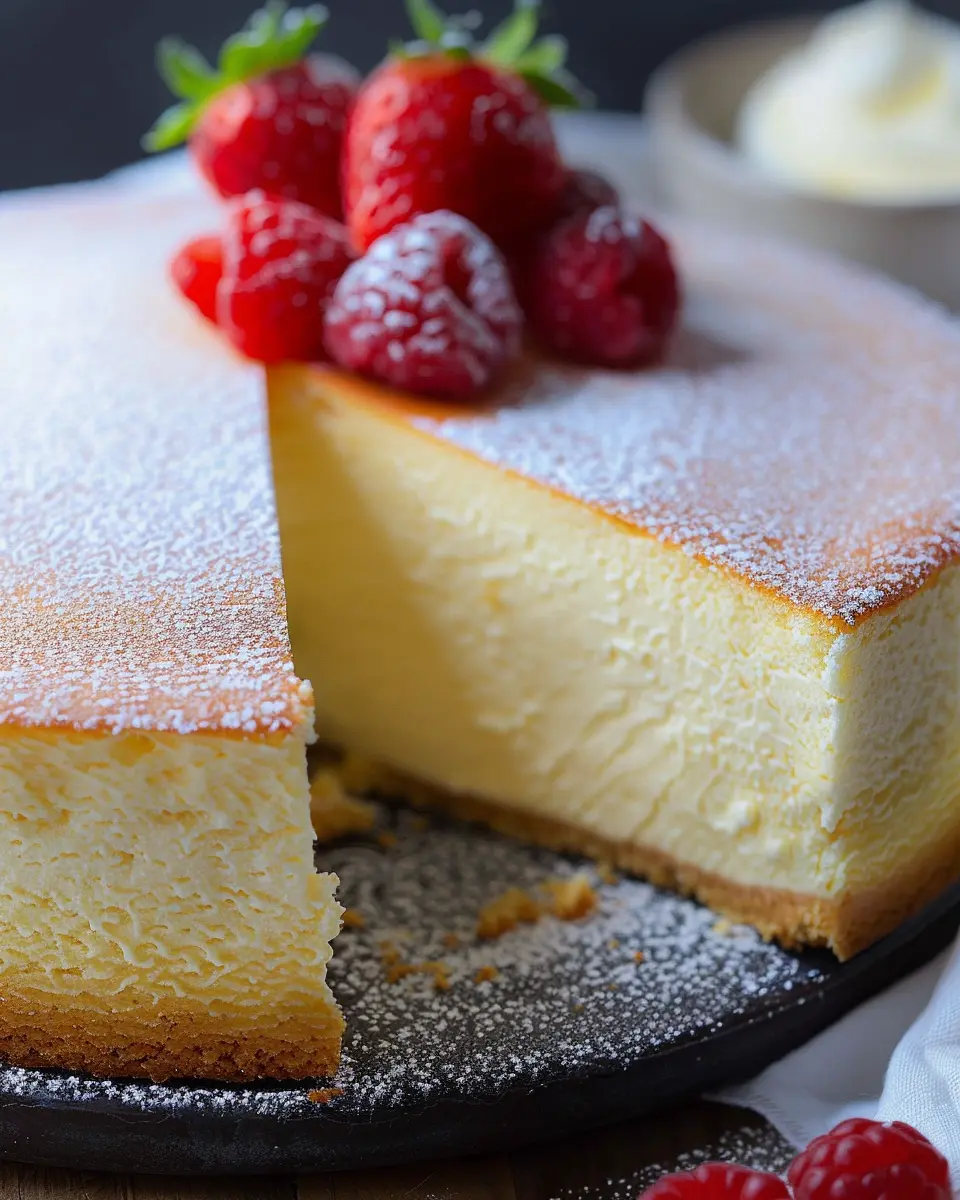
Variations of Japanese Cheesecake
Classic Japanese Cheesecake with Fruity Twists
The beauty of Japanese cheesecake lies in its subtle flavor and airy texture, making it an excellent canvas for variations. One delightful way to enhance this classic dessert is by incorporating fruits. Imagine a luscious strawberry puree swirled throughout the batter, or a tangy lemon zest adding a zesty kick to the creamy mixture. For a tropical twist, try folding in diced mango or passion fruit. These fruity adaptations not only elevate the cheesecake’s taste but also add a vibrant pop of color, making them visually stunning for any occasion.
If you’re keen to explore further, don’t forget that seasonal fruits can make your cheesecake even more special. Think fresh blueberries in the summer or spiced apple compote during autumn. For more inspiration, you can check this guide on fruit pairings by Food52.
Experimenting with Flavors: Matcha, Chocolate, and More
If you’re feeling adventurous, why not delve into unique flavor combinations to create your very own signature Japanese cheesecake? Matcha, the vibrant green tea powder, adds both a beautiful hue and a delightful earthy flavor that complements the cheesecake’s softness beautifully. For the chocoholics out there, melting dark chocolate into the batter can result in a rich, decadent treat that’s sure to impress.
Don’t hesitate to play around with other flavors, too. Coffee, orange zest, or even spices like cinnamon can bring a whole new perspective to this beloved dessert. Your creativity is the limit, and remember, experimenting in the kitchen often leads to the most delicious surprises! If you need more ideas on flavor experimentation, take a peek at resources like The Kitchn’s cooking articles.
With these variations, you’ll find that your journey with Japanese cheesecake is both versatile and endlessly enjoyable!
Cooking Tips and Notes for Japanese Cheesecake
Common pitfalls and how to avoid them
Making Japanese cheesecake can feel tricky, but there are some common pitfalls to sidestep. First, be cautious not to overbeat the egg whites; they should be fluffy but not dry. Overmixing can result in a dense texture, rather than the light and airy result you want. Another key is ensuring your oven temperature is accurate. An oven thermometer can be helpful here—baking at too high a temperature can lead to cracking.
Equipment recommendations for best results
For the best Japanese cheesecake, using the right equipment can make all the difference. Here’s what you need:
- A springform pan: This allows for easy removal and helps maintain shape.
- An electric mixer: A must for achieving perfectly whipped egg whites.
- A baking thermometer: Ensures you’re at the correct temperature for that dreamy fluffiness.
By following these tips, you’ll increase your chances of creating a fluffy and delightful Japanese cheesecake. Happy baking! For more insights, check out Serious Eats for expert tips and techniques.
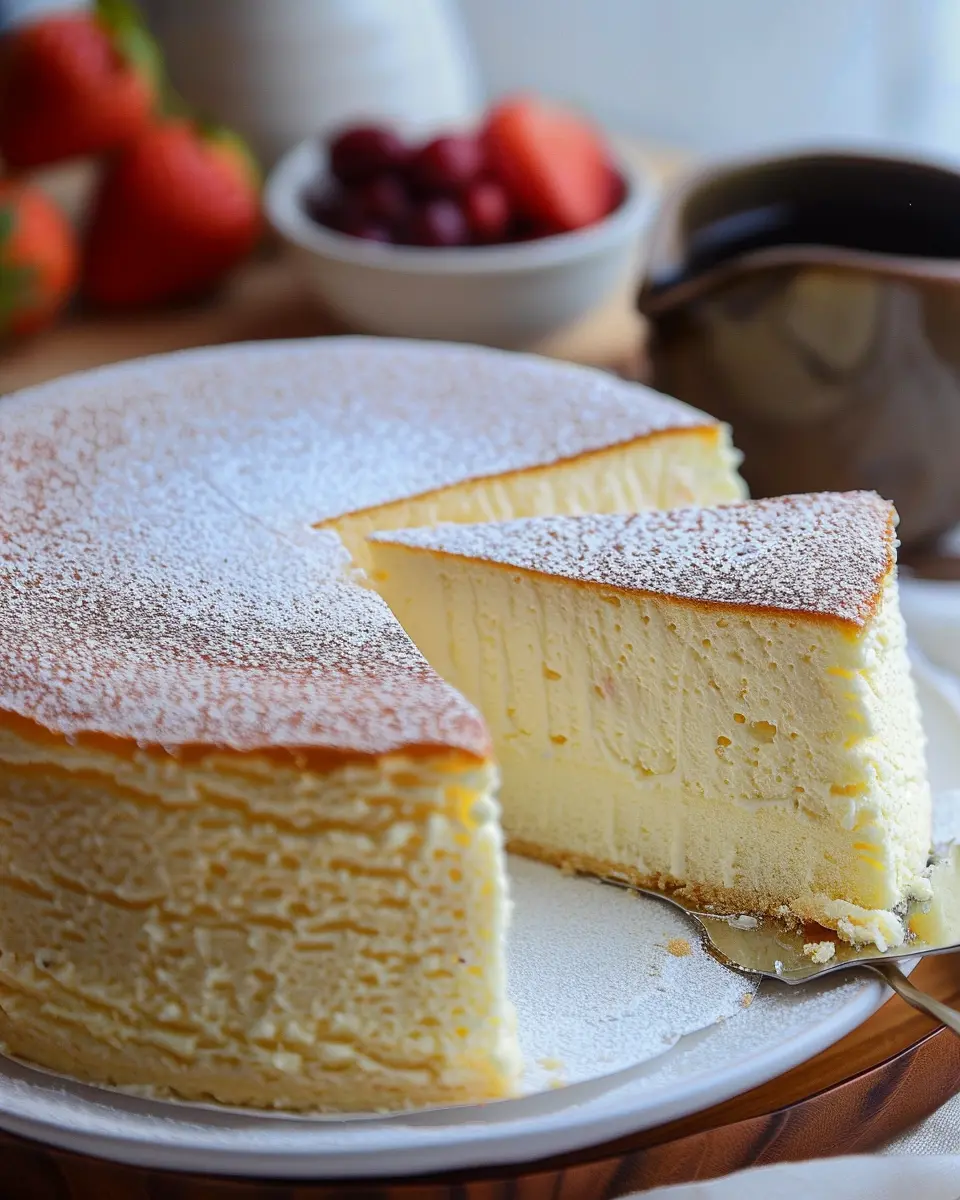
Serving Suggestions for Japanese Cheesecake
Creative serving ideas beyond the basics
When it comes to Japanese cheesecake, the light and fluffy texture offers a wonderful canvas for your culinary creativity. Instead of serving it plain, consider transforming your cheesecake into a dessert masterpiece. Slice your cheesecake into individual portions and serve them on cute dessert plates, garnishing with a sprinkle of powdered sugar or a drizzle of homemade berry sauce. You could even plate the cheesecake alongside a scoop of green tea ice cream for a delightful flavor contrast.
Pairing with fruits, whipped cream, and more
Enhancing your Japanese cheesecake doesn’t stop at presentation. Think about adding fresh seasonal fruits like strawberries, blueberries, or kiwi for a refreshing touch. The natural sweetness of these fruits complements the cheesecake beautifully. You might also whip up some light, airy whipped cream flavored with vanilla or matcha to elevate the flavors further. For extra indulgence, consider a drizzle of caramel or chocolate sauce.
For more inspiration, check out this guide on creative dessert presentations at Serious Eats. There’s no limit to how you can enjoy this versatile dessert!
Time Breakdown for Japanese Cheesecake
When you’re ready to indulge in a slice of Japanese cheesecake, understanding the time commitment will help set the mood for the perfect baking session.
Preparation Time
You’ll need about 20 minutes to gather your ingredients and mix everything together. It’s a straightforward process, so put on your favorite playlist to enjoy the moment!
Cooking Time
Patience is key when baking this delicate treat. Expect it to take around 50-60 minutes in the oven, plus a little time to cool down once it’s done.
Total Time
All-in-all, from prep to cooling, your total time investment will be about 1 hour and 30 minutes. Not too bad for a delightful dessert that’s bound to impress!
For more baking tips, check out this helpful guide on adjusting baking times for different altitudes. Happy baking!
Nutritional Facts for Japanese Cheesecake
Calories and Macronutrient Breakdown
If you’ve ever indulged in a slice of Japanese cheesecake, you’re likely familiar with its light, airy texture and subtle sweetness. But what about the nutritional content? A typical serving size (about 1/8 of a cake) contains approximately 200 calories, along with:
- Protein: 6g
- Carbohydrates: 25g
- Fats: 9g
This delightful dessert provides a unique balance of macronutrients, making it a satisfying treat when enjoyed in moderation. For a more in-depth look at the health profile of cheesecake, check out Nutritional Data.
Dietary Considerations and Alternatives
Thinking about dietary restrictions? Japanese cheesecake is versatile. For those avoiding gluten, consider using almond flour or gluten-free flour alternatives. You can also swap traditional cream cheese for a vegan option like cashew cream to make it dairy-free. Additionally, if you’re cutting back on sugar, try using maple syrup or a sugar substitute.
As always, when modifying recipes, it’s essential to consider how these changes will affect the final taste and texture. What mixes do you prefer for healthier baking? Explore more tips on wholesome ingredient swaps over at Healthy Baking Tips.
FAQs about Japanese Cheesecake
How do I achieve the perfect texture?
The desired texture for your Japanese cheesecake is light, airy, and fluffy. To nail this, here are a few tips:
- Use room temperature ingredients: Let your cream cheese and eggs sit out before mixing to ensure even blending.
- Fold carefully: When incorporating the whipped egg whites, be gentle. This keeps the air you’ve whipped in, which is essential for that cloud-like texture.
- Bain-marie baking: Baking your cheesecake in a water bath helps maintain moisture and prevents the sides from cooking too quickly, ensuring even texture throughout.
Can I store Japanese Cheesecake? If so, how?
Absolutely! You can store your Japanese cheesecake in the refrigerator for up to three days. Here’s how to keep it fresh:
- Wrap tightly: Use plastic wrap or an airtight container to prevent it from absorbing any odors in the fridge.
- Freezing option: For longer storage, freeze individual slices. Make sure they’re wrapped well to maintain freshness, and they can last for about a month!
What are some common troubleshooting tips?
Even seasoned chefs might face challenges with Japanese cheesecake. Here’s how to troubleshoot:
- If it’s too dense: Ensure you’re not overmixing the batter, especially when adding the egg whites.
- Cracking on top: This could be due to sudden temperature changes. Avoid opening the oven door while it’s baking!
- Sinking in the middle: Make sure you’ve baked it long enough, and consider checking the oven thermometer for accurate temperatures.
For more techniques and detailed information, you can explore Serious Eats or consult baking experts on King Arthur Baking. Enjoy your baking journey!
Conclusion on Japanese Cheesecake
Why you should try making your own Japanese Cheesecake at home
Japanese cheesecake is not only a delightful treat; it also offers a unique baking experience. Creating your own version allows you to control ingredients, which can lead to a healthier dessert option. Imagine the satisfaction of watching your fluffy masterpiece rise in the oven! Plus, making Japanese cheesecake at home gives you the chance to perfect your technique and impress guests with a stunning final product.
Think about the joy of sharing it with friends and family—it’s a conversation starter! For more tips on cheesecake techniques, check out sources like Serious Eats or BBC Good Food. So why not roll up your sleeves and give this deliciously light cheesecake a try? You’ll be glad you did!
PrintJapanese Cheesecake: The Best Light and Fluffy Recipe You’ll Love
Delve into the world of Japanese Cheesecake with this light and fluffy recipe that melts in your mouth.
- Prep Time: 20 minutes
- Cook Time: 60 minutes
- Total Time: 3 hours 20 minutes
- Yield: 8 servings 1x
- Category: Dessert
- Method: Baking
- Cuisine: Japanese
- Diet: Vegetarian
Ingredients
- 1 cup cream cheese
- 1/2 cup granulated sugar
- 1/2 cup milk
- 4 large eggs
- 1/4 cup cake flour
- 1 tablespoon lemon juice
Instructions
- Preheat the oven to 320°F (160°C).
- Grease and line an 8-inch springform pan.
- In a mixing bowl, combine cream cheese and sugar until smooth.
- Add milk and lemon juice, mixing well.
- In another bowl, whisk eggs and then combine them with the cream cheese mixture.
- Sift in the cake flour, gently folding until incorporated.
- Pour the batter into the prepared pan and bake in a water bath for 60 minutes.
- Turn off the oven and let the cheesecake cool inside for 1 hour.
- Remove from oven, chill in the fridge for at least 3 hours before serving.
Notes
- Serve chilled for the best texture.
- Top with fresh fruits or whipped cream if desired.
Nutrition
- Serving Size: 1 slice
- Calories: 200
- Sugar: 10g
- Sodium: 150mg
- Fat: 10g
- Saturated Fat: 5g
- Unsaturated Fat: 4g
- Trans Fat: 0g
- Carbohydrates: 20g
- Fiber: 0g
- Protein: 5g
- Cholesterol: 100mg
Keywords: Japanese Cheesecake, Cheesecake recipe, Fluffy cheesecake