Introduction to Vegetable Soup
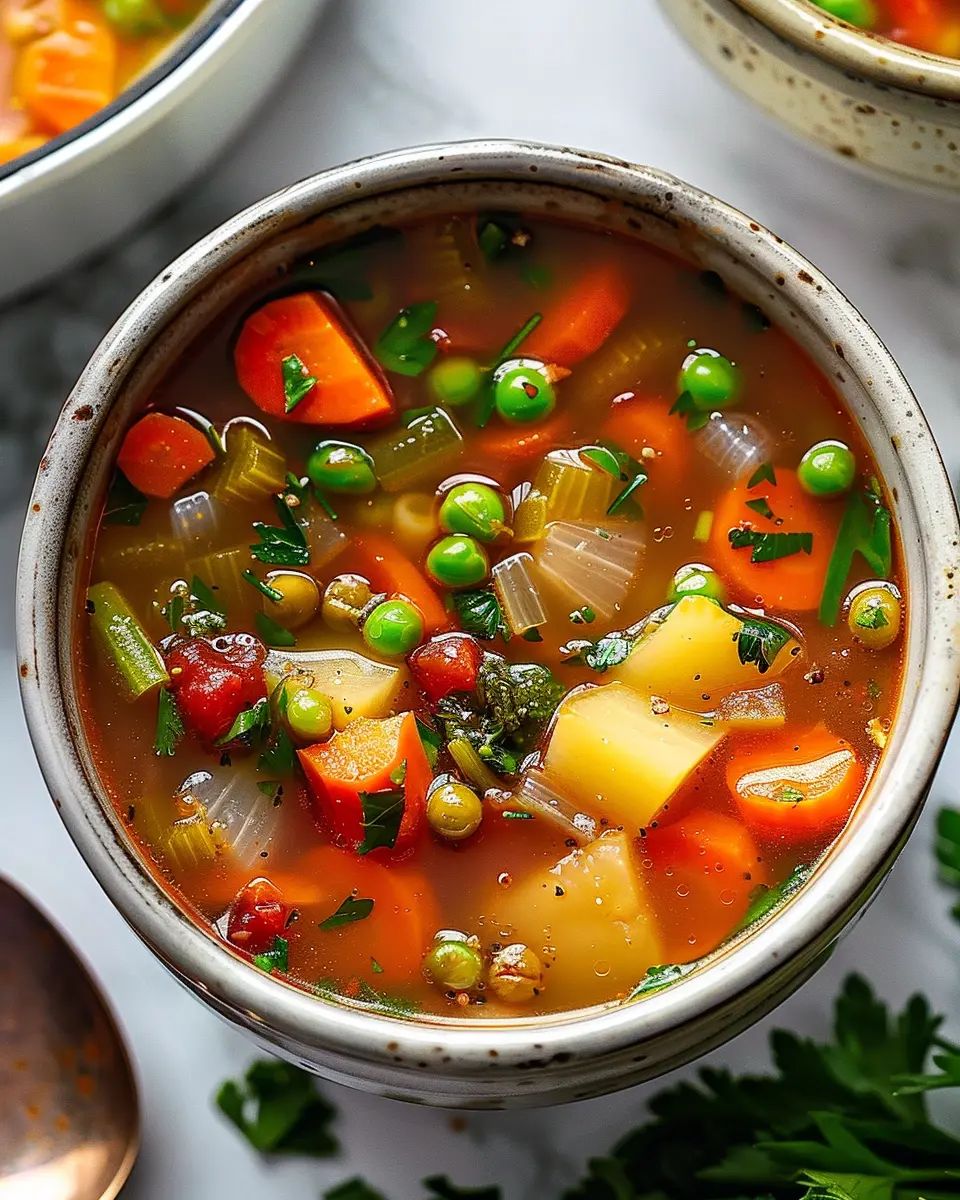
Vegetable soup is more than just a cozy dish; it’s a vibrant, nourishing meal that fits seamlessly into the fast-paced lives of young professionals. Picture this: it’s a chilly evening after a long day at the office, and all you want is something warm and comforting that will recharge your energy for the evening ahead. That’s where a hearty bowl of vegetable soup comes into play.
Why Vegetable Soup is the Perfect Meal for Young Professionals
As a young professional juggling work, social life, and perhaps even personal projects, finding a meal that is both satisfying and quick to prepare is a game-changer. Vegetable soup checks all the boxes:
-
Quick Preparation: Most vegetable soups can be whipped up in under 30 minutes, making it easy to get dinner on the table after a busy day.
-
Nutrient-Packed: Loaded with a variety of vegetables, this dish provides vital vitamins and minerals, helping to keep you energized and healthy. According to a study published in the American Journal of Clinical Nutrition, increasing vegetable intake can lead to improved overall health.
-
Budget-Friendly: Let’s face it—living on a tight budget can be tough, especially in your 20s and 30s. Fortunately, vegetable soup allows you to use whatever you have on hand, reducing waste and saving you money. Check out this guide from the USDA for more tips on budgeting for groceries.
-
Versatile and Customizable: Whether you’re a fan of chunky veggies or prefer a smoother texture, vegetable soup accommodates all preferences. Feeling adventurous? Add some turkey bacon or chicken ham for an extra boost of flavor.
Not to mention, making a big pot of soup means you can enjoy it for several meals—perfect for meal prepping up to a week in advance. You can even freeze portions to pull out on particularly busy evenings.
Vegetable soup is not just a meal; it’s a solution—one that aligns well with your active lifestyle while keeping your health front and center. So, why not give it a try? You just might find that a warm bowl of colorful veggies becomes your new go-to dish for those bustling weeknights!
Ingredients for Vegetable Soup
Essential ingredients for a hearty vegetable soup
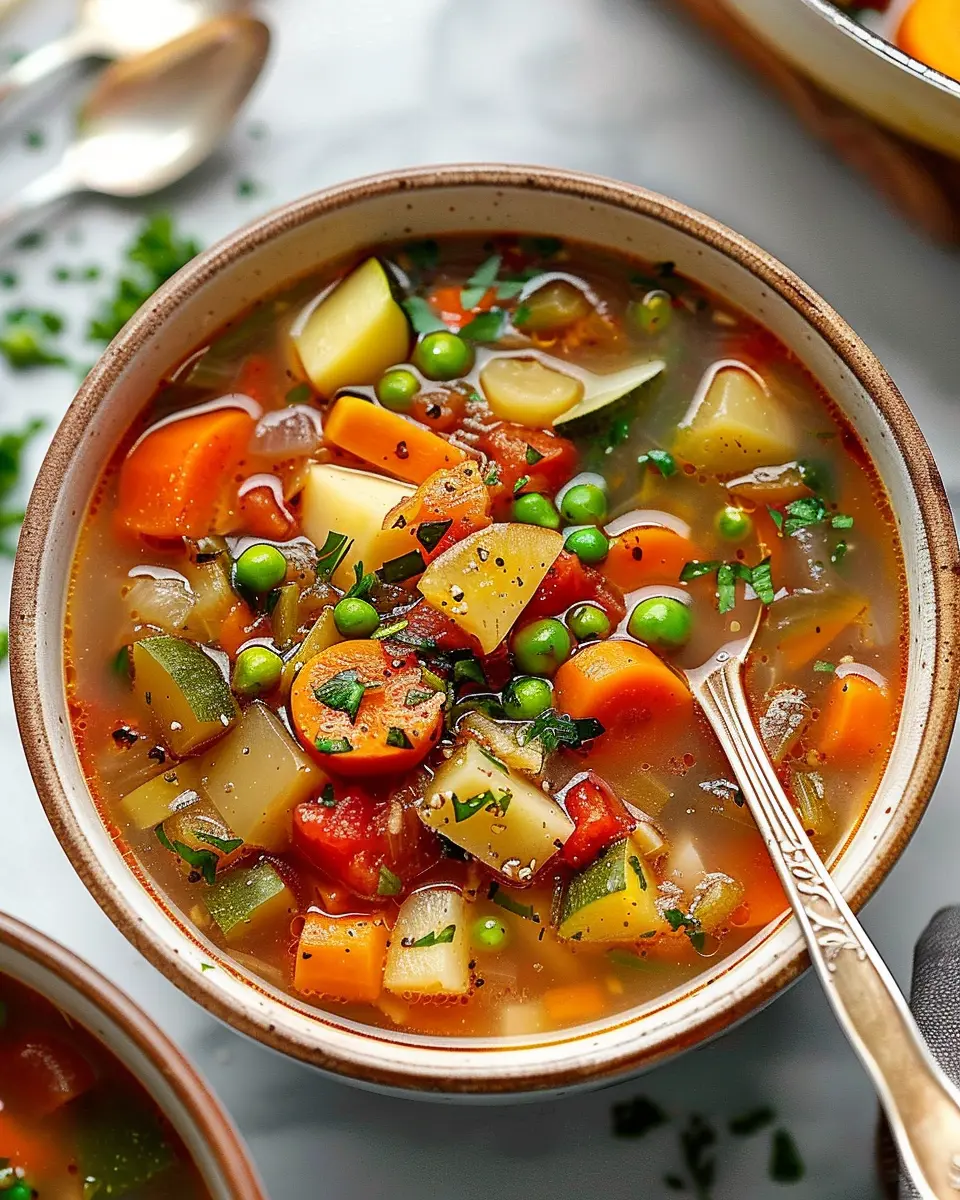
Creating a delightful vegetable soup starts with fresh, quality ingredients. Here are the staples you’ll need:
- Vegetables: Carrots, celery, and onions form a flavor base. Don’t forget zucchinis and potatoes for body.
- Broth: A rich vegetable or chicken broth brings depth. For a homemade twist, try making your own stock.
- Herbs: Fresh parsley or thyme adds a fragrant kick. Dried herbs can work well too.
- Beans: Adding a can of white beans boosts protein and makes the soup more filling.
These components lay the foundation for a fulfilling meal, perfect for busy evenings!
Optional add-ins for enhanced flavor
Feeling adventurous? You can elevate your vegetable soup with these optional ingredients:
- Turkey Bacon or Chicken Ham: For a smoky flavor, consider these lean meats.
- Grains: Quinoa or brown rice can make your soup even heartier.
- Spices: A dash of cumin or paprika introduces warmth and depth.
Experimenting with these add-ins can turn a simple bowl into something extraordinary, making each serving a reflection of your personal taste! For more tips on selecting fresh vegetables, check out this guide.
Preparing Vegetable Soup
Creating a warm, comforting bowl of vegetable soup is not just a satisfying cooking experience; it’s also a great way to enjoy a healthy meal packed with nutrients. So, are you ready to dive into this delectable dish? Let’s break it down step-by-step!
Gather Your Ingredients
The first step in crafting your vegetable soup is gathering the right ingredients. Here’s what you’ll need to whip up a delightful pot:
- Base Vegetables: Onions, garlic, and celery are essential for building flavor.
- Root Vegetables: Carrots and potatoes add a hearty touch.
- Seasonal Vegetables: Think of bell peppers, zucchini, or any fresh herbs you love.
- Broth: Vegetable broth works wonders, but you could use chicken broth if that’s what you have on hand.
- Frozen Vegetables: A great way to ensure you always have veggies available—frozen peas, corn, or green beans are excellent options.
- Protein (optional): Turkey bacon or chicken ham can be added if you’re looking for extra flavor or a heartier dish.
Always remember to wash your veggies thoroughly and chop them into bite-sized pieces for even cooking. Did you know that a study from the Mayo Clinic indicates that incorporating a diverse range of vegetables in your diet can significantly boost overall health? This is a perfect opportunity to mix and match your favorites!
Sauteing the Base Vegetables
Once your ingredients are at the ready, it’s time to start cooking! Begin by heating a large pot over medium heat. Add a splash of olive oil, and toss in the chopped onions, minced garlic, and diced celery.
- Sauté these aromatics until the onions become translucent, which generally takes about 3-5 minutes. This step is vital; it releases essential oils and flavors, laying the foundation for your soup.
While sautéing, it’s a great moment to think about adding some spices. A sprinkle of thyme or a pinch of red pepper flakes can add depth. Plus, if you enjoy a little heat, consider using some cayenne pepper or a dash of hot sauce for that extra zing. For more tips on adding spices, check out The Spice House.
Adding Broth and Heartier Vegetables
Next up, it’s time to introduce your broth and the heartier vegetables. Pour in the vegetable broth, bringing it to a gentle simmer. This is where your chopped carrots and potatoes come into play.
- Simmer for about 10-15 minutes until these veggies soften. They not only add texture but also soaking up the lovely flavors already developing in the pot.
As the soup simmers, keep an eye on it. Stir occasionally to prevent anything from sticking to the bottom. If you find the mixture too thick, adding water or more broth is easy to do.
Incorporating Frozen Veggies
After your heartier ingredients have softened, it’s time for the grand entrance of the frozen vegetables. Toss in your choice, whether it’s peas, corn, or diced green beans. Frozen veggies are a fantastic addition—they offer vitamins and minerals and will thaw and cook quickly in the simmering broth.
- Stir well and let everything cook together for another 5-10 minutes. This method preserves their vibrant colors and nutrients while ensuring even cooking.
Incorporating frozen veggies can not only save time but also reduce food waste. Did you know that around 30-40% of food in the U.S. is wasted? That’s a staggering amount that can easily be minimized with smart choices.
Finishing Touches for a Flavorful Finish
Once all your veggies are perfectly cooked, it’s time for those finishing touches. A dash of salt and pepper can do wonders. Fresh herbs, like parsley or cilantro, can elevate the flavor profile significantly.
- Feel free to add a splash of lemon juice or a spoonful of your favorite hot sauce to deepen the flavors further.
Taste and adjust the seasoning as needed. Remember, a good soup is all about balance, and you want those flavors to shine through.
You now have a delicious bowl of homemade vegetable soup that’s ready to be enjoyed! Serve it hot, and perhaps pair it with some crusty bread for a complete meal. Happy cooking!
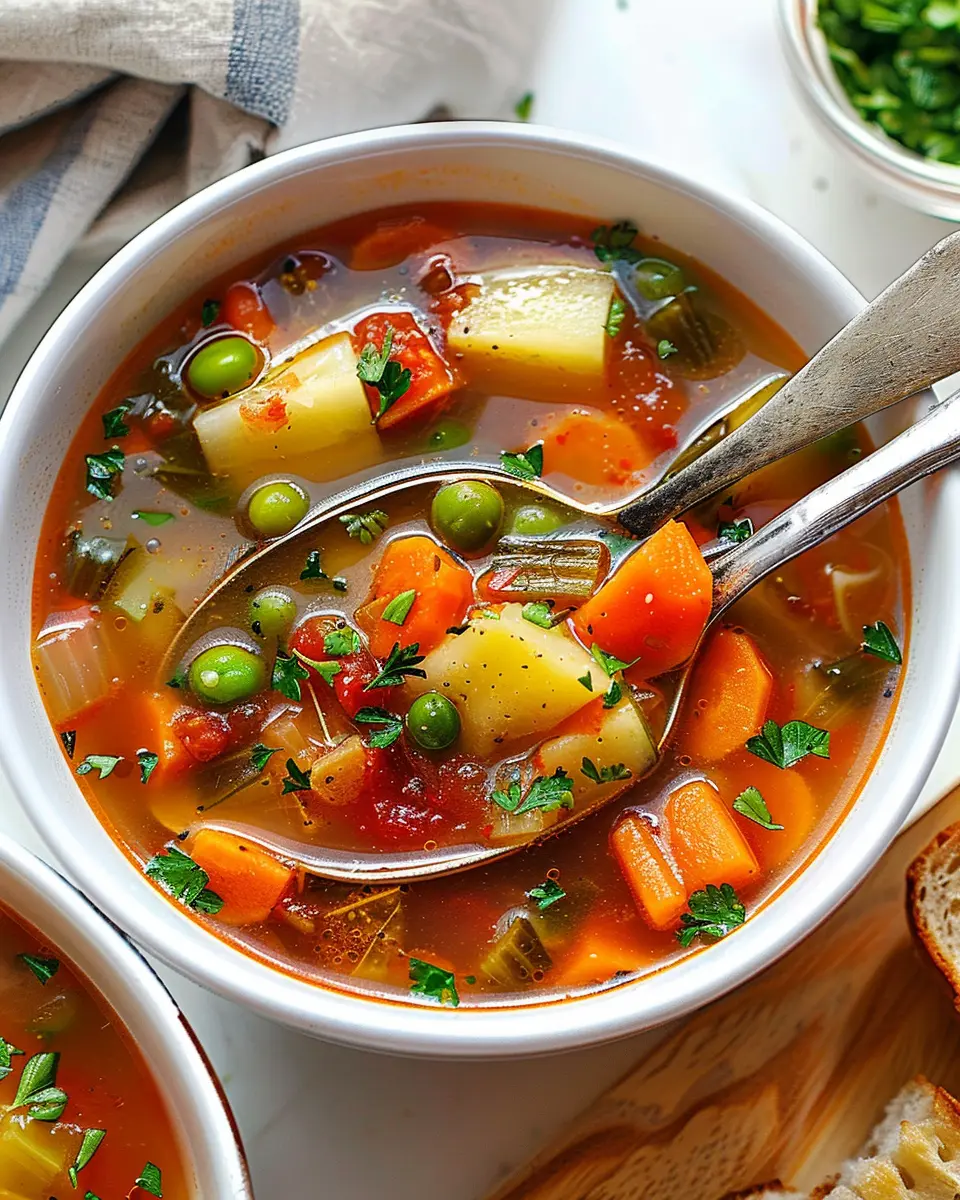
Variations on Vegetable Soup
When it comes to vegetable soup, the beauty is in its versatility. You can easily tailor this wholesome dish to fit your taste buds, dietary needs, or even the season!
Mediterranean-Inspired Vegetable Soup
Imagine a bowl brimming with the flavors of the Mediterranean! To create this version, start with a base of fresh tomatoes and broth. Toss in:
- Chopped kale or spinach
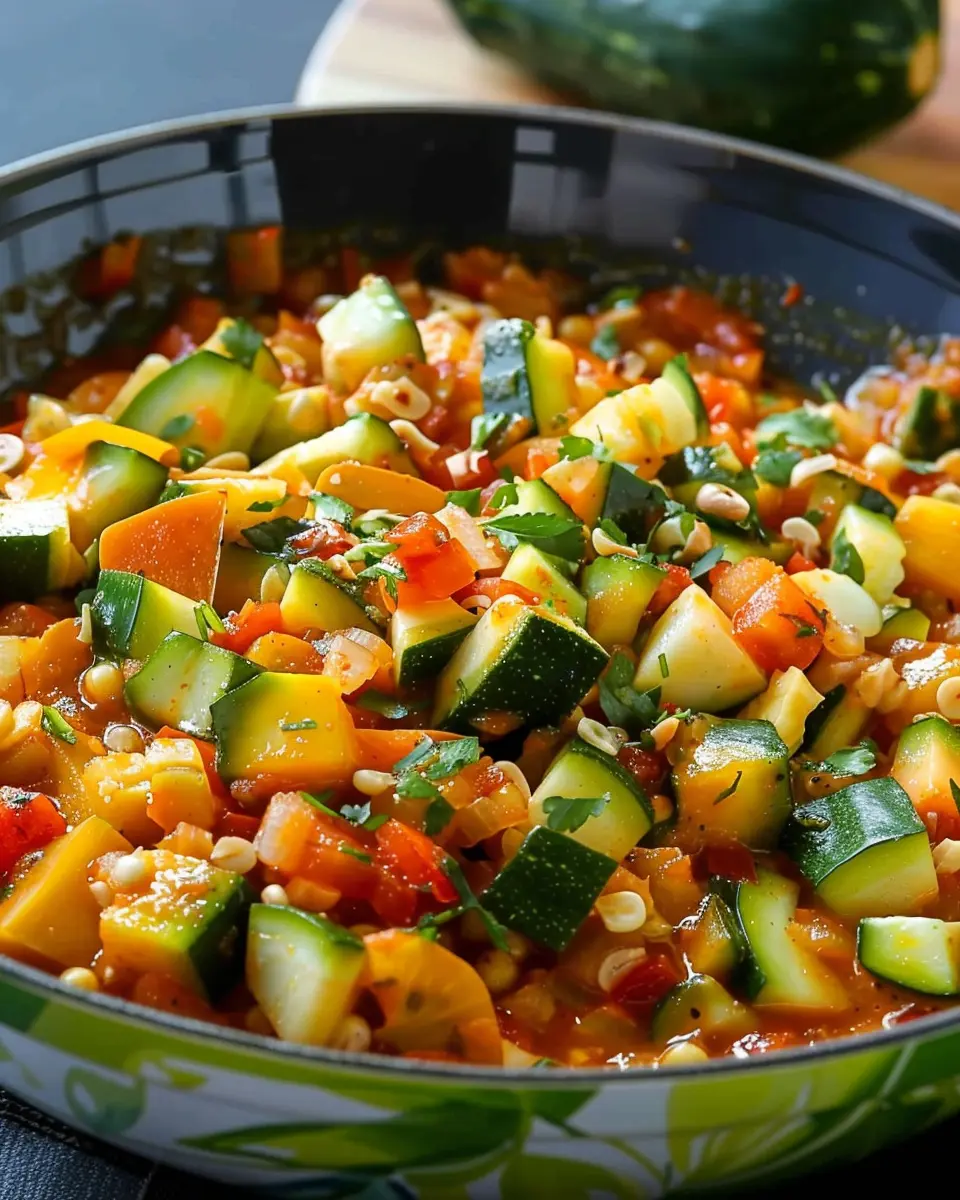
- Diced zucchini
- Bell peppers
- A sprinkle of feta cheese for a salty kick
Season with dried oregano, basil, and a splash of lemon juice to brighten it up. This combination not only nourishes the body but also imparts a delightful zest. For more inspiration, check out this guide on Mediterranean herbs from the California Academy of Sciences.
Creamy Vegetable Soup Options
For those who crave a comforting bowl of creamy vegetable soup, it’s all about adding a luscious touch. After cooking your veggies, blend them with:
- Coconut milk for a tropical twist
- Cashew cream for a nutty flavor
- Greek yogurt for a protein-packed option
A hint of garlic and onion in the mix amps up the flavor profile, while a sprinkle of fresh herbs like parsley can give your soup an elegant finish.
Spicy Vegetable Soup for a Kick
Need something with a little more heat? Try a spicy vegetable soup by adding:
- Chopped jalapeños or serrano peppers
- A tablespoon of chili powder or smoked paprika
- A touch of hot sauce to taste
Serve it with a dollop of sour cream to cool it down—your taste buds will thank you!
These variations ensure there’s a vegetable soup recipe for everyone, whether you’re in the mood for something light and refreshing or packed with rich flavors.
Cooking Tips and Notes for Vegetable Soup
Tips for Chopping Vegetables Efficiently
Chopping vegetables can feel like a chore, but it doesn’t have to be! Start by investing a few minutes in mastering your knife skills. Use a sharp knife and a stable cutting board. Try stacking herbs or greens for quicker chopping, and watch your fingers! If you’re pressed for time, consider using pre-cut veggies from your local grocery store, or visit this guide on chopping techniques to streamline your soup prep.
Storage Tips for Leftovers
Got leftover vegetable soup? Store it in an airtight container in the fridge for up to 3-4 days. For longer storage, freeze portions in freezer-friendly bags or containers. Just make sure to leave some space for expansion! Reheat on the stove or microwave; you can even add a splash of vegetable broth to freshen it up.
Suggested Tools for Ease in Preparation
Having the right tools can make cooking enjoyable! Consider using a large pot or Dutch oven for even heat distribution, an immersion blender for a quick puree, and a good knife for speedy chopping. These simple tools can elevate your vegetable soup experience and help you enjoy the cooking process. Happy cooking!
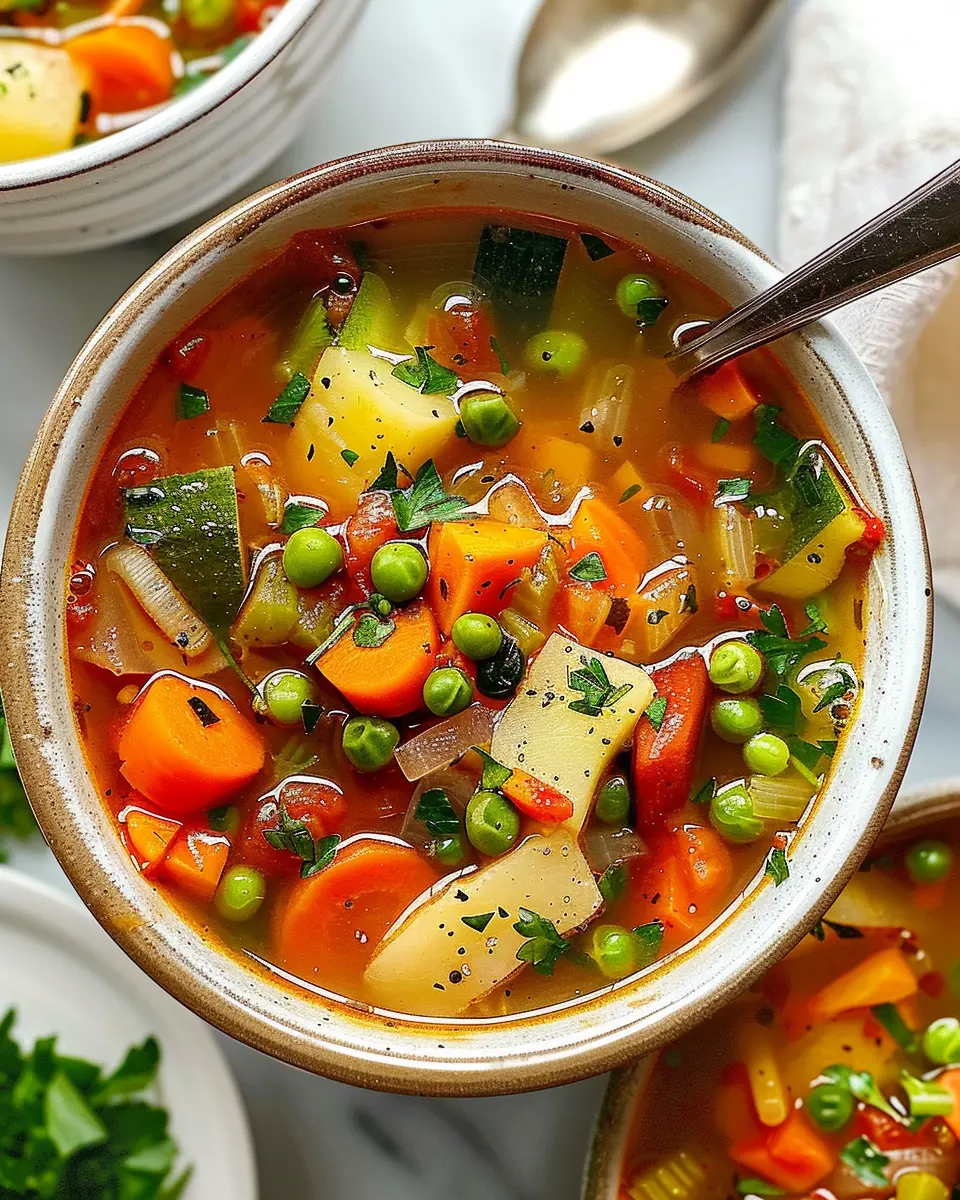
Serving Suggestions for Vegetable Soup
Ideal Pairings for a Complete Meal
When it comes to vegetable soup, you want to elevate it into a complete, satisfying meal. Pair it with crusty whole-grain bread or a warm baguette for that perfect dunking accompaniment. If you’re looking for something heartier, consider adding a side salad, perhaps a refreshing spinach and strawberry salad drizzled with balsamic vinaigrette. For protein, you can enjoy slices of turkey bacon or chicken ham for a savory touch that complements the soup’s flavors beautifully. A side of quinoa or brown rice also works well to add a wholesome boost.
Creative Ways to Serve Vegetable Soup
Let’s get a little unconventional! Instead of a bowl, serve your vegetable soup in a hollowed-out bread bowl for a fun and edible twist. Alternatively, you can use mason jars for individual servings, perfect for potlucks or meal prep. Garnishing with a dollop of sour cream or a sprinkle of fresh herbs can add a gourmet touch—even a squeeze of lemon can brighten up the flavors.
For more serving inspiration, check out this guide on serving soup creatively from The Spruce Eats.
Time Breakdown for Vegetable Soup
Creating a delicious vegetable soup is not only rewarding but also surprisingly quick. Here’s how the time pans out:
Preparation Time
You’ll need about 15-20 minutes to chop and prep your vegetables. It’s a great opportunity to enjoy some music or a podcast while you work!
Cooking Time
Once everything is prepped, let it simmer for about 30-40 minutes. This allows the flavors to meld beautifully – perfect for a cozy evening.
Total Time
In total, you’re looking at around 50-60 minutes from start to finish. That’s not bad for a hearty, healthy meal! For more inspiration, check out resources like EatingWell or Bon Appétit to elevate your soup game even further!
Nutritional Facts for Vegetable Soup
When you whip up a cozy pot of vegetable soup, you’re not just treating your taste buds; you’re also nourishing your body! Let’s dive into the nutritional facts.
Calories per Serving
Each serving of vegetable soup has approximately 150 calories. This makes it a great option for anyone watching their caloric intake, yet still craving a hearty meal.
Health Benefits of Key Ingredients
The beauty of vegetable soup lies in its vibrant mix of ingredients. Commonly featured veggies like carrots, spinach, and tomatoes are loaded with vitamins A and C. According to the Harvard T.H. Chan School of Public Health, these nutrients support your immune system and promote skin health. Plus, the addition of garlic adds a delicious flavor and boosts your body’s defenses.
Fiber and Protein Content
By incorporating beans or lentils, you can enhance the fiber and protein content to about 6 grams and 8 grams per serving, respectively. This combination keeps you feeling fuller longer and promotes digestive health. Fiber is essential for gut health and may help lower cholesterol levels, while protein aids in muscle repair and growth.
Each bowl of vegetable soup is a simple way to pack in nutrients while enjoying a delightful meal!
FAQs About Vegetable Soup
Can I make vegetable soup ahead of time?
Absolutely! In fact, making vegetable soup ahead of time allows the flavors to meld beautifully. Just prepare your soup, let it cool, and store it in an airtight container in the refrigerator for up to a week. You can also freeze it for longer storage—just be sure to leave some space in the container, as liquids expand when frozen. When you’re ready to enjoy, simply reheat on the stove or in the microwave. For tips on reheating, check out this guide.
What vegetables are best for soup?
When it comes to crafting your perfect vegetable soup, the options are endless! Here are some favorites:
- Carrots: Sweet and hearty, they add great texture.
- Celery: Provides a lovely crunch and earthy flavor.
- Bell Peppers: Introduce sweetness and color.
- Zucchini: Softens wonderfully and absorbs flavors well.
- Spinach or Kale: Packed with nutrients, they boost the health factor.
Feel free to mix in any seasonal veggies—fresh produce is always a win. If you’re unsure where to start, visit localharvest.org for info on what’s in season.
How do I make vegetable soup more filling?
To transform your vegetable soup into a heartier meal, consider adding protein or whole grains. Here are a few suggestions:
- Legumes: Add chickpeas or lentils for a protein boost.
- Whole grains: Brown rice or quinoa work wonders for thickness.
- Turkey bacon or Chicken ham: Toss in small pieces to enrich flavor and texture.
These additions not only make your soup more satisfying but also turn it into a complete meal that will keep you fueled throughout your busy day.
Conclusion on Vegetable Soup
Final thoughts on embracing homemade meals
Making homemade vegetable soup is more than just whipping up a quick meal; it’s a delightful way to engage with cooking and nutrition. Embracing this creative process can lead to discovering unique flavor combinations and nourishing your body with wholesome ingredients. Plus, nothing beats the comfort of a warm bowl of soup after a long day.
Think about it—when you make vegetable soup from scratch, you control what goes into it, steering clear of unwanted preservatives and additives. So, next time you’re in the kitchen, why not experiment with seasonal veggies? You might just find your new favorite dish. For more cooking inspiration, check out this article to dive deeper into healthy eating habits and recipe ideas.
PrintVegetable Soup Recipe: Discover the Best Comfort Food Delight

A hearty and nourishing vegetable soup that brings comfort and warmth to any meal.
- Prep Time: 10 minutes
- Cook Time: 30 minutes
- Total Time: 40 minutes
- Yield: 6 servings 1x
- Category: Soup
- Method: Stovetop
- Cuisine: American
- Diet: Vegan
Ingredients
- 2 tablespoons olive oil
- 1 onion, diced
- 2 carrots, chopped
- 2 celery stalks, chopped
- 3 garlic cloves, minced
- 6 cups vegetable broth
- 1 teaspoon dried thyme
- 1 teaspoon dried basil
- 1 can (14.5 ounces) diced tomatoes
- 1 zucchini, diced
- 1 cup green beans, trimmed and chopped
- 1 cup corn kernels
- Salt and pepper to taste
Instructions
- Heat the olive oil in a large pot over medium heat.
- Add the onion, carrots, and celery; sauté until softened.
- Stir in the garlic and cook for another minute.
- Add the vegetable broth, thyme, and basil; bring to a boil.
- Add the diced tomatoes, zucchini, green beans, and corn.
- Reduce heat and simmer for 20 minutes.
- Season with salt and pepper to taste.
Notes
- Feel free to add your favorite vegetables.
- Leftovers can be frozen for later use.
Nutrition
- Serving Size: 1 cup
- Calories: 150
- Sugar: 4g
- Sodium: 800mg
- Fat: 6g
- Saturated Fat: 1g
- Unsaturated Fat: 4g
- Trans Fat: 0g
- Carbohydrates: 24g
- Fiber: 6g
- Protein: 5g
- Cholesterol: 0mg
Keywords: Vegetable Soup, Comfort Food, Healthy Recipes