Homemade Pasta: A Delightful Journey
Why homemade pasta is a game changer for busy professionals?
If you’re a busy professional juggling work, social life, and perhaps even family responsibilities, you might think that making homemade pasta is just too time-consuming. But let me tell you, it’s a game changer! Not only does it taste infinitely better than store-bought, but it’s also surprisingly quick to whip up once you get the hang of it.
Imagine coming home after a hectic day, and instead of reaching for a box of mediocre noodles, you take just 30 minutes to create something exquisite. Homemade pasta can elevate any meal, impress guests, and even become a therapeutic ritual that gives you a chance to unwind.
Here’s why you should dive into this delightful journey:
-
Fresh Ingredients: When you make your own pasta, you control every ingredient. You can opt for whole-grain flour or even veggie-infused options for a healthier twist. Plus, fresh pasta cooks faster and has a delightful texture.
-
Time-Saving Meal Prep: Once you’ve mastered a basic recipe, you can batch-process your pasta on a weekend. Refrigerate or freeze portions for busy weeknight dinners. Just a few minutes will transform your meal from boring to brilliant.
-
Future Culinary Masterpieces: Learning how to craft pasta opens up a world of culinary possibilities. From spaghetti and fettuccine to ravioli stuffed with your choice of fillings—think Turkey Bacon or Chicken Ham—the options are endless.
-
Savor the Experience: Making homemade pasta gives you a chance to slow down and engage with your meals. It’s not just about feeding yourself; it’s about enjoying the process.
Don’t know where to start? Check out this detailed guide on pasta making for all the essentials. You can even find cooking classes locally or online to expand your skills.
So, what are you waiting for? Roll up your sleeves and get started on your homemade pasta journey—your future self will thank you!
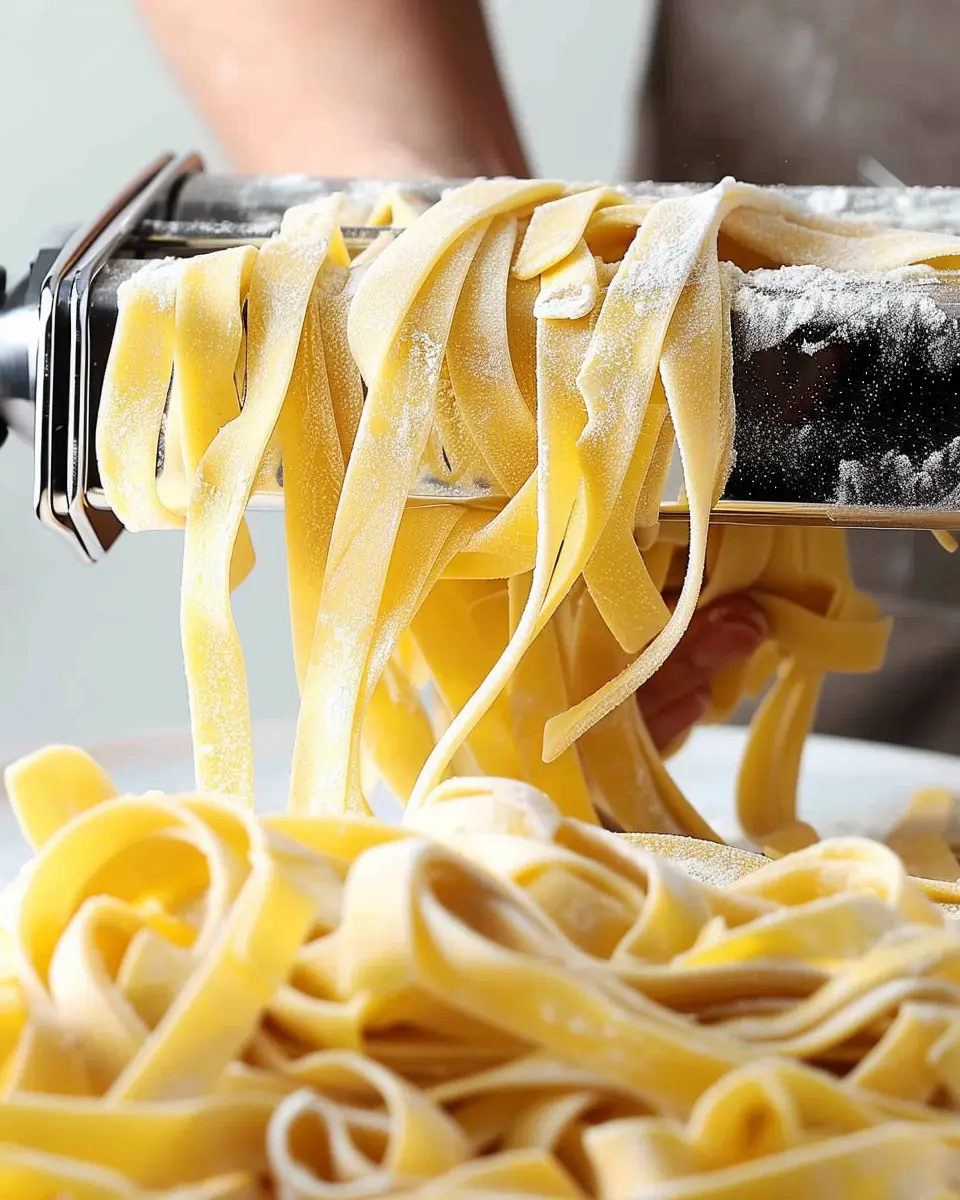
Essential Ingredients for Homemade Pasta
The main staples for a perfect dough
When it comes to creating homemade pasta, the foundation lies in using the right basic ingredients. Start with high-quality flour—either “00” flour or all-purpose flour works well for a beautifully smooth texture. You’ll also need a pinch of salt to enhance the flavor. The stars of your dough are fresh eggs; they not only add richness but also help bind everything together.
Optional flavor enhancers and add-ins
To elevate your homemade pasta, consider incorporating additional ingredients that will enhance both flavor and nourishment. Here are a few ideas:
- Spices: A dash of garlic powder or fresh herbs like basil can infuse your dough with delightful flavors.
- Vegetables: Pureed spinach or beetroot can give your pasta a vibrant color and extra nutrients.
- Cheese: Mixing grated Parmesan into the dough adds a comforting umami punch.
Experimenting with these optional ingredients can make your pasta truly unique! For additional tips and variations, check out The Kitchn’s pasta guide. Who knew pasta could be so versatile?
Step-by-Step Guide to Making Homemade Pasta
Making homemade pasta is not just a cooking task; it’s an exciting experience that brings a touch of Italy right into your kitchen. Whether you’re impressing friends at a dinner party or whipping up a quick meal for yourself, learning how to make pasta from scratch is a skill that pays off wonderfully. Let’s dive into our step-by-step guide to creating that delightful and chewy texture that only fresh pasta can offer.
Create your pasta dough
The first step in your homemade pasta journey is, of course, the dough. This is the foundation of your pasta, so you want to make sure it’s just right. Here’s what you’ll need:
- 2 cups of all-purpose flour (plus extra for dusting)
- 3 large eggs
- A pinch of salt
- Mix the ingredients: On a clean surface, form a mound with the flour and make a well in the center. Add the eggs and salt into the well.
- Combine: With a fork, start beating the eggs and gradually incorporate the flour from the edges of the well until it feels too stiff to keep mixing with a fork.
You might find this California Olive Ranch guide on selecting the right flour helpful for getting the best results.
Knead like a pro
Kneading is crucial for developing gluten, which gives your pasta its structure and smooth texture. The right technique will make all the difference.
-
Knead the dough: Transfer the dough to a floured surface and begin kneading it by pushing it down and away from you, folding it back over itself, and repeating this motion. Do this for about 8-10 minutes until the dough is smooth and elastic.
-
Check the consistency: If it feels too sticky, incorporate a bit more flour as needed, but try to maintain its moisture—sticky dough is better than dry dough!
Let it rest for that perfect texture
After kneading, let your dough relax. This rest period is essential for achieving that perfect texture when rolling it out.
-
Wrap up: Shape the dough into a ball and wrap it in plastic wrap or cover it with a damp cloth.
-
Wait: Let it rest for at least 30 minutes at room temperature. This allows the gluten to relax, making it easier to roll out later.
Roll it out with confidence
Rolling out pasta can seem intimidating, but you got this!
-
Flour your surface: Dust your work area with flour to prevent sticking.
-
Divide and conquer: Split the rested dough into manageable pieces (about four portions) to make it easier to roll out.
-
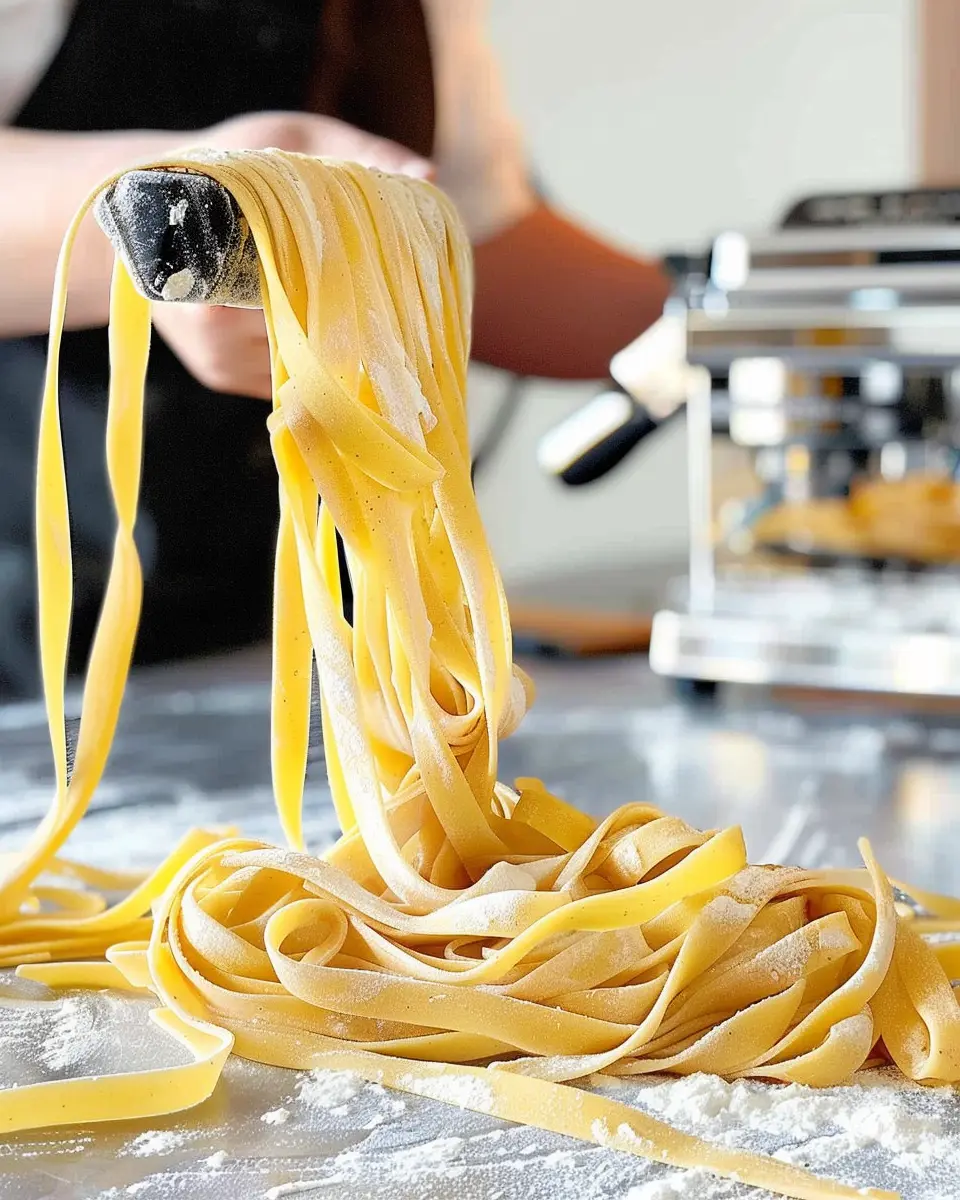
Using a rolling pin or pasta machine: Start rolling out from the center, turning the dough regularly to achieve an even thickness. Aim for about 1/16 inch thick. If using a pasta machine, start with the widest setting and gradually work your way down to your desired thickness.
Cut and shape your pasta
Now the fun begins! It’s time to decide what type of pasta you want to create.
- Fettuccine: Roll the sheet of pasta into a loose log and cut it into strips.
- Ravioli: Use a cookie cutter or knife to cut circles and fill them with your choice of filling.
- Pappardelle: Simply cut the rolled-out pasta into wide strips.
Remember, fresh pasta cooks quicker than dried, so keep an eye on it boiling for about 2-3 minutes, depending on the thickness.
Making homemade pasta is a labor of love, but once you taste the results, trust me, you’ll be hooked. Consider experimenting with different flours or adding spinach for green pasta! Don’t forget to serve it with your favorite sauce—perhaps with some turkey bacon or chicken ham!
With practice, you’ll master the art of pasta making and surprise everyone at your next gathering! For a deeper dive into pasta types and cooking, check out Serious Eats.
Making pasta from scratch is more than just a culinary task—it’s an experience that binds flavor, creativity, and a little bit of tradition. Enjoy the process!
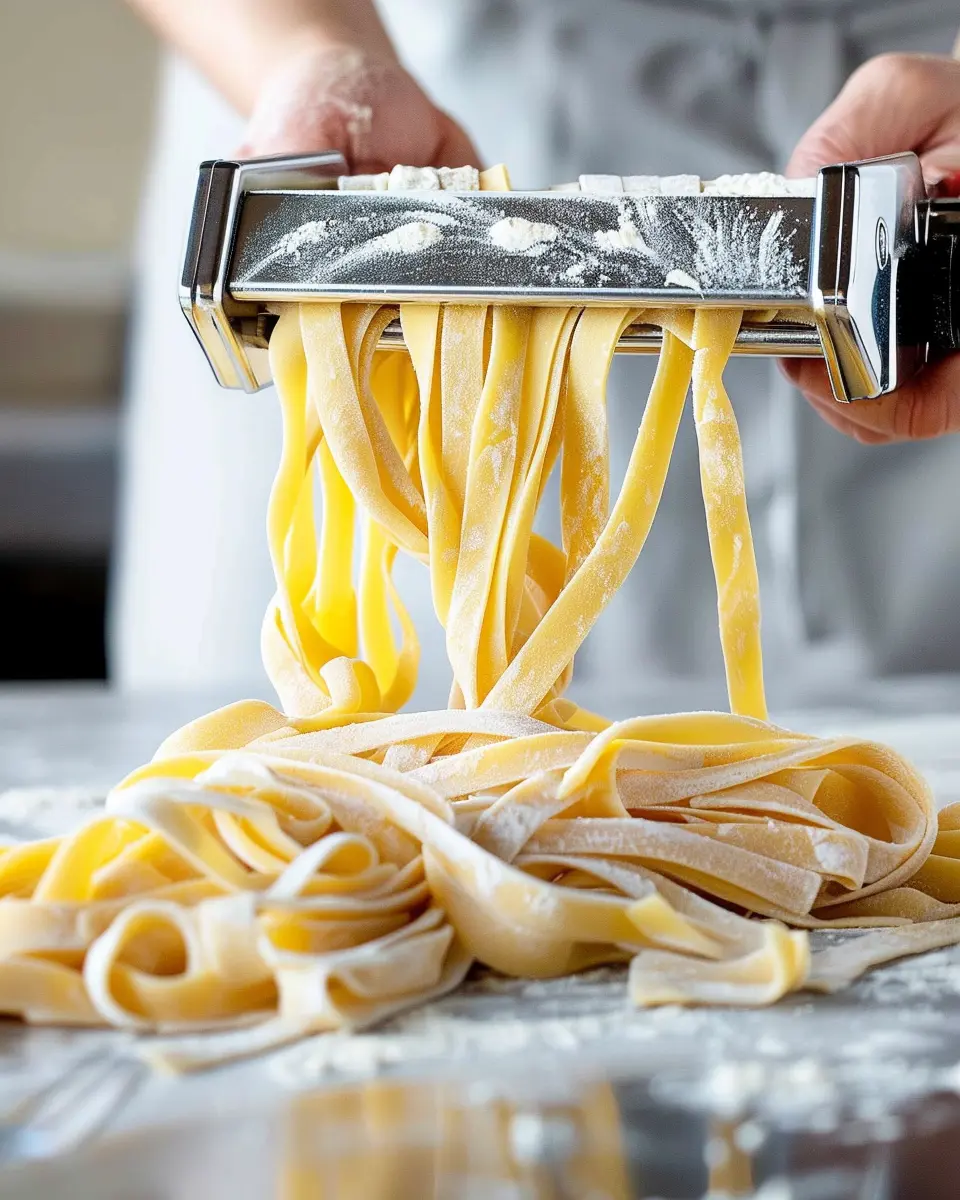
Variations on Homemade Pasta
When it comes to homemade pasta, the possibilities are as endless as your creativity! Whether you’re looking to impress guests or just want a fun kitchen project, there are several delicious variations to explore.
Spinach-infused Green Pasta
Looking for a unique twist on homemade pasta? Spinach-infused green pasta not only adds vibrant color but also packs nutritional benefits. Here’s how to make it:
- Ingredients: For every 100g of flour, add about 50g of fresh spinach.
- Preparation:
- Blanch the spinach in boiling water for 1-2 minutes, then blend it into a puree.
- Mix the puree with the flour and two eggs until you have a smooth dough.
- Roll and cut the pasta as you would with traditional dough.
Spinach pasta pairs beautifully with light, creamy sauces or a simple garlic olive oil dressing.
Eggless Pasta for Dietary Preferences
If you or your guests have dietary restrictions, homemade pasta can easily accommodate that. Eggless pasta is not only dairy-free but also simple to make. Here’s how:
- Ingredients: Use 200g of flour (preferably semolina for texture) and 70ml of water.
- Preparation:
- Gradually mix the water into the flour, kneading until you achieve a firm yet elastic dough.
- Roll out the dough and cut it into your desired shapes.
Eggless pasta has a great bite and can absorb sauces wonderfully, making it perfect for any dish—from marinara to pesto.
Exploring these variations allows you to personalize your homemade pasta to suit any taste or dietary need. Whether it’s the vibrant green of spinach pasta or a simple eggless option, your culinary adventure awaits! For more ideas, check out Serious Eats for expert tips and tricks!
Cooking Tips and Notes for Homemade Pasta
Avoiding Common Pitfalls
Creating homemade pasta is a delightful endeavor, but there are a few common missteps to dodge. Firstly, ensure that your flour is well-measured; too little can lead to a sticky mess, while too much creates a dry texture. A handy tip is to use a kitchen scale for accuracy. The dough should feel slightly tacky yet pliable. Don’t forget to let it rest—this allows the gluten to relax, making it easier to roll out. If you’re unsure about the doneness, conduct a quick taste test of your cooked noodles!
Storing Fresh Pasta for Later Use
If you’ve made extra homemade pasta, you can store it for later enjoyment. Simply dust the pasta with a bit of flour to prevent sticking, then lay it flat on a baking sheet. After an hour, transfer the pasta to an airtight container or freezer bag. It can stay fresh in the fridge for up to 2 days and in the freezer for a couple of months. When you’re ready to cook, there’s no need to thaw—just boil directly from frozen!
For more expert tips, consider checking out The Pasta Queen.
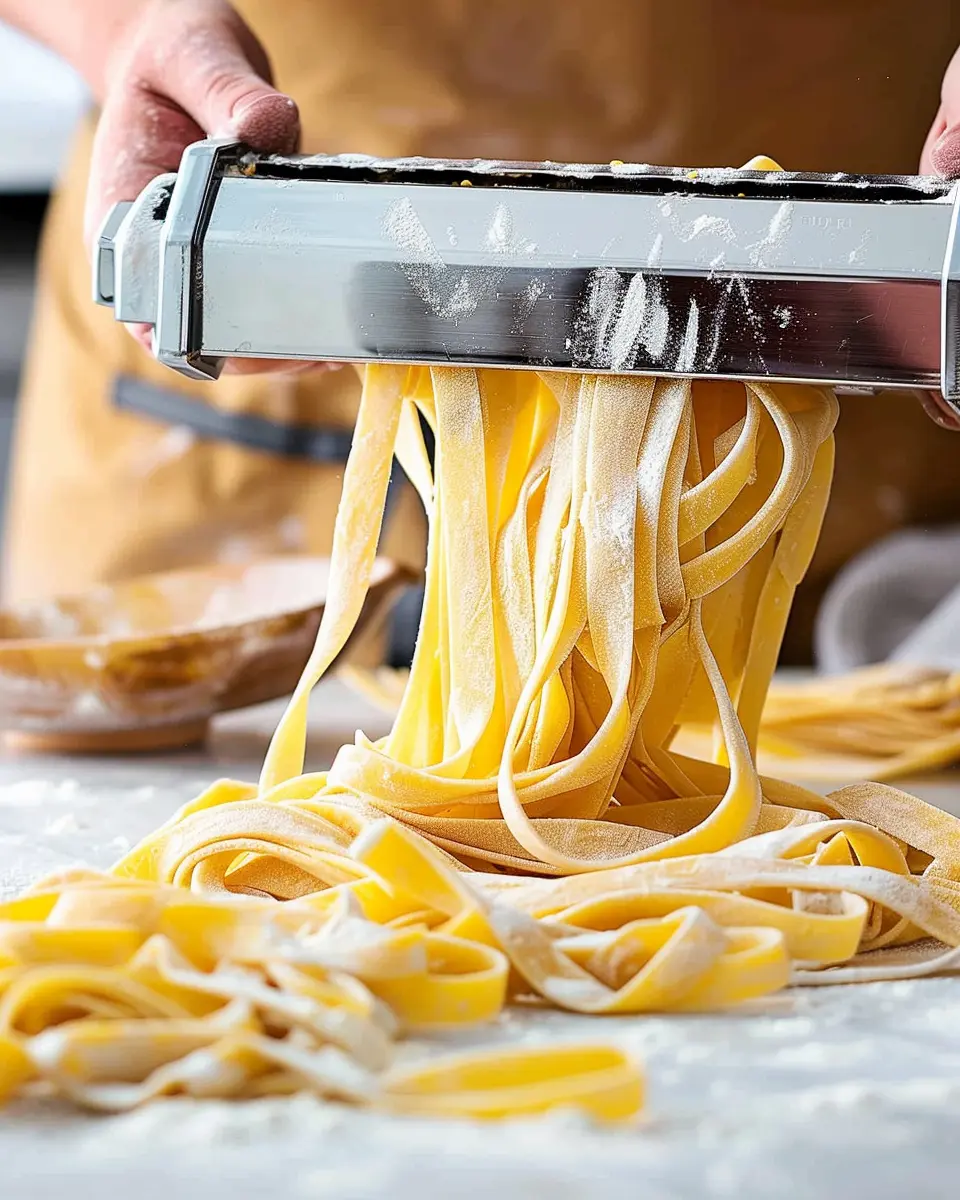
Serving Suggestions for Homemade Pasta
Delicious homemade pasta is not just about the dough; it’s about how you serve it. Let’s explore some simple yet satisfying ways to elevate your pasta experience.
Simple Olive Oil and Parmesan Preparation
Sometimes, less is more! For a quick yet delightful meal, toss your freshly cooked pasta with a generous drizzle of high-quality olive oil and a sprinkle of grated Parmesan cheese. This combination allows the natural flavors of the pasta to shine through. Consider adding a pinch of red pepper flakes or a hint of garlic for an extra kick.
Creative Sauces to Elevate Your Dish
If you’re looking to impress, consider trying innovative sauces that will take your homemade pasta to new heights:
- Pesto: Blend fresh basil, garlic, nuts, and olive oil for a herby explosion.
- Tomato Basil: A classic tomato sauce garnished with fresh basil never goes out of style.
- Creamy Mushroom: Sauté mushrooms and combine them with a touch of cream for a rich, earthy sauce.
The combinations are endless! Want more ideas? Check out these creative pasta sauces that can inspire your next meal.
Remember, the best homemade pasta serving suggestion is one that reflects your taste and creativity!
Time Breakdown for Homemade Pasta
Creating homemade pasta is not only rewarding but also a delightful way to impress friends and family. Here’s a quick look at what to expect for the time involved:
Preparation Time
Expect to spend about 30 minutes preparing your homemade pasta dough. This includes measuring, mixing, and kneading. If you want to rest the dough for the best texture, consider factoring in an additional 30 minutes.
Cook Time
Cooking your homemade pasta takes a mere 2 to 5 minutes. Fresh pasta cooks quickly, so keep an eye on it as it boils.
Total Time
In total, you’re looking at roughly 1 to 1.5 hours from start to finish. This allows for ample time to create a flavorful sauce or side dish to accompany your fresh creation! For tips on sauce pairings, check out this guide.
Crafting homemade pasta might seem labor-intensive, but the experience and taste make every second worthwhile! Happy cooking!
Nutritional Facts for Homemade Pasta
When it comes to homemade pasta, knowing its nutritional profile helps you enjoy it guilt-free. Let’s break down the essentials!
Calories
A typical serving of homemade pasta (about 1 cup) contains approximately 200 calories. This makes it a wonderfully comforting dish that can fit into various meal plans without derailing your health goals.
Carbohydrates
Homemade pasta is primarily made of flour, yielding around 40-45 grams of carbohydrates per serving. This gives you the energy needed for a busy day, especially for those young professionals always on the go.
Protein Content
You can expect about 7-8 grams of protein per serving of homemade pasta, depending on the flour used. This boosts its nutritional value, particularly when paired with protein-rich sauces or toppings.
If you’re curious to learn more about pasta’s nutritional aspects, check out resources like USDA FoodData or NutritionData. Making your own pasta not only guarantees freshness but also lets you control the ingredients, making it a healthier choice for any meal. Plus, who doesn’t enjoy the satisfaction of crafting something delicious from scratch?
FAQs About Homemade Pasta
Can I make pasta without a machine?
Absolutely! You don’t need a fancy pasta machine to create delicious homemade pasta. With just a rolling pin and a sharp knife, you can make fresh pasta by hand. After mixing your flour and eggs into a dough, roll it out on a clean surface until it’s about 1/8 inch thick. Don’t forget to dust with flour to prevent sticking! Then, you can cut it into your favorite shapes—whether fettuccine, tagliatelle, or even lasagna sheets.
For a deeper dive into the art of hand-rolled pasta, you might want to check out Serious Eats.
How do I know when my pasta is done?
Timing is everything when it comes to cooking homemade pasta. Fresh pasta generally cooks much faster than dried pasta. Usually, it takes about 2-4 minutes in boiling salted water. A good rule of thumb? Taste it as you go—al dente should have a slight bite when you chew! Keep an eye on it to avoid overcooking, as fresh pasta can turn mushy quickly.
What sauces pair well with homemade pasta?
One of the beauties of homemade pasta is its versatility. Here are some of my favorite sauce pairings:
- Tomato Basil Sauce: A classic that complements any pasta shape.
- Alfredo Sauce: For a creamy delight, try a simple Alfredo made with butter, cream, and Parmesan.
- Pesto: Fresh basil pesto adds vibrancy and flavor, perfect for summer dishes.
Feel free to experiment with proteins like turkey bacon or chicken ham to elevate your recipes further! Happy pasta making!
Conclusion on the Joy of Homemade Pasta
There’s something undeniably rewarding about rolling out your own homemade pasta. Not only does it elevate your dining experience, but it also offers a creative outlet that can turn an ordinary meal into an occasion. As the aroma of simmering sauces fills your kitchen, the joy of crafting each noodle by hand brings a sense of accomplishment that takeout just can’t match.
Whether you’re sharing it with friends or enjoying a quiet dinner, homemade pasta fosters connections and creates lasting memories. So, grab your rolling pin and embrace the art of making pasta at home—it just might become your new favorite culinary tradition!
For more insights on pasta-making techniques and tips, check out resources like Serious Eats or America’s Test Kitchen.
PrintHomemade Pasta: Easy Secrets for a Delicious Family Meal
Learn how to make delicious homemade pasta with these easy secrets that the whole family will love.
- Prep Time: 30 minutes
- Cook Time: 5 minutes
- Total Time: 35 minutes
- Yield: 4 servings 1x
- Category: Pasta
- Method: Boiling
- Cuisine: Italian
- Diet: Vegetarian
Ingredients
- 2 cups all-purpose flour
- 3 large eggs
- 1/2 teaspoon salt
- 1 tablespoon olive oil
Instructions
- In a large bowl, mix the flour and salt together.
- Create a well in the center and crack the eggs into it.
- Add the olive oil and begin mixing with a fork.
- Knead the dough until smooth and elastic, about 10 minutes.
- Wrap in plastic wrap and let it rest for 30 minutes.
- Roll out the dough to desired thickness and cut into shapes.
- Cook the pasta in boiling salted water for 3-5 minutes until al dente.
Notes
- Make sure to use fresh eggs for best results.
- Let the dough rest to improve texture.
Nutrition
- Serving Size: 1 plate
- Calories: 200
- Sugar: 0 g
- Sodium: 5 mg
- Fat: 3 g
- Saturated Fat: 0.5 g
- Unsaturated Fat: 2 g
- Trans Fat: 0 g
- Carbohydrates: 40 g
- Fiber: 2 g
- Protein: 8 g
- Cholesterol: 150 mg
Keywords: Homemade Pasta